
The Daily Battle: Fast Food vs. Nutrition
In today's fast pace of life, the question "what to eat today?" It has become a constant dilemma for many. The temptation to resort to quick, unhealthy options is strong, but the desire to maintain a balanced and nutritious diet persists. At this crossroads, the need arises for culinary solutions that are not only delicious, but also time-efficient and rich in health benefits. The good news is that healthy food doesn't have to be boring, complicated, or require hours in the kitchen. In fact, with a little planning and the right recipes, it is perfectly possible to enjoy nutritious and tasty dishes in a matter of minutes. This article delves into the world of fast and healthy cooking, offering a range of options that satisfy both your palate and your body's nutritional needs. From energetic breakfasts to comforting dinners, including light lunches and snacks revitalizing, the key is simplicity and the intelligent use of fresh, whole ingredients. Forget about processed foods and get ready to transform your kitchen into a wellness laboratory.
Challenges of Modern Food
Modern life presents a series of challenges that make it difficult to adopt healthy eating habits. One of the main ones is lack of time. Long work hours, family commitments, and personal responsibilities often leave little room for preparing elaborate meals. This leads many people to opt for takeout, convenience foods or fast food restaurants, which while convenient, are often high in saturated fat, added sugars and sodium, and lack essential nutrients such as fiber, vitamins and minerals. Another important challenge is misinformation. With the proliferation of fad diets and conflicting nutritional advice, it can be difficult to discern what is truly healthy and what is not. Many people feel overwhelmed by the amount of information available and end up giving up on their attempts to eat better. Added to this is the economic pressure; Sometimes, healthy, fresh foods can seem more expensive than their processed counterparts, although in the long run, the investment in health always pays off. Finally, a lack of basic cooking skills also contributes to the problem. Many people are not comfortable in the kitchen and lack the confidence to experiment with new recipes, locking them into a cycle of repetitive, uninspiring meals.
The Pillars of a Healthy and Fast Diet
To counter these challenges, it is essential to understand the pillars of a healthy and fast diet. The first is planning. Taking a few minutes at the beginning of the week to plan meals and make a shopping list can save a considerable amount of time and stress during busy days. Preparing meals in advance, known as meal prepping, is also an effective strategy. Cooking large quantities of certain ingredients, such as grains or proteins, and then combining them in different ways throughout the week, significantly reduces daily cooking time. The second pillar is the choice of ingredients. Opting for fresh, seasonal and minimally processed foods is crucial. This includes a wide variety of fruits and vegetables, lean proteins (chicken, fish, legumes, tofu), whole grains (quinoa, brown rice, oats), and healthy fats (avocado, nuts, olive oil). The third pillar is simplicity. Quick and healthy recipes don't need to be complex. Often, the simplest preparations are the most delicious and nutritious. Using quick cooking techniques like sautéing, grilling or steaming, and using efficient cookware like pressure cookers or air fryers can also shorten cooking times. Finally, creativity in the kitchen is an important pillar. Experimenting with different spices and herbs can transform a simple dish into an exciting culinary experience, without adding unnecessary calories.
Key Strategies for Healthy Cooking in a Short Time
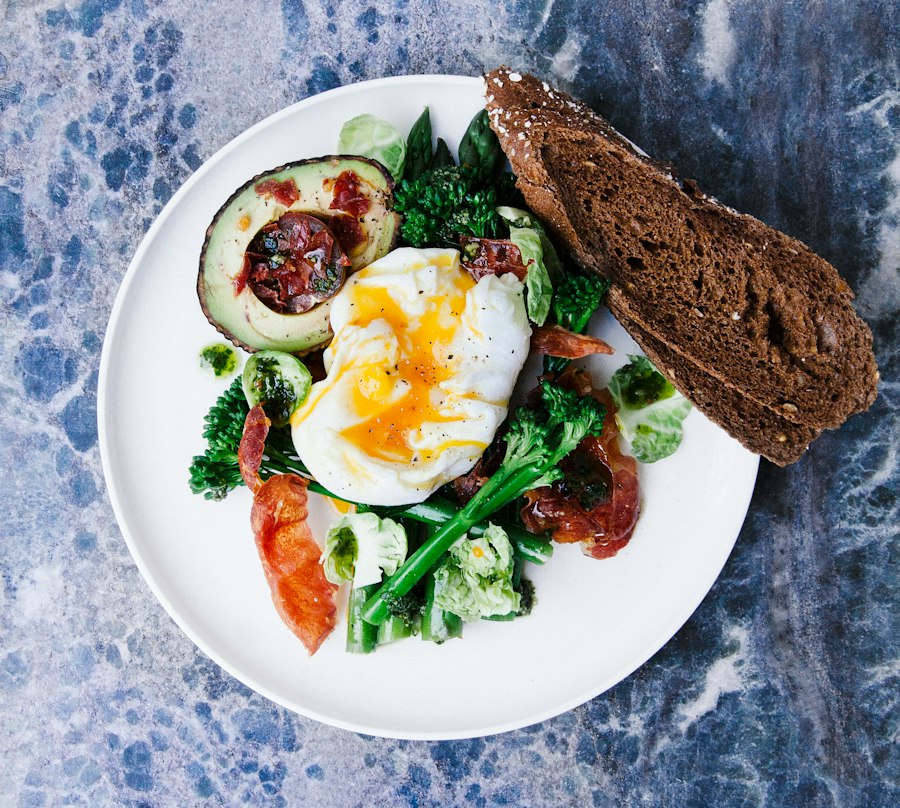
Healthy cooking doesn't have to be synonymous with spending hours in the kitchen. With the right strategies, it is possible to prepare nutritious and delicious meals in the blink of an eye. The key lies in organization, intelligent selection of ingredients and optimization of cooking processes. Taking a proactive approach will allow you to enjoy a balanced diet even on the busiest days, avoiding the temptation to resort to less healthy options.
La Magia del Batch Cooking y Meal Prep
One of the most effective strategies to eat healthy and quickly is batch cooking o meal prep. It consists of dedicating a few hours one day a week (typically Sunday) to cooking and preparing a large number of ingredients or complete meals that will be consumed during the following days. This not only saves time during the week, but also helps avoid impulsive food decisions when hunger strikes.
Detailed Weekly Planning
Before you start, spend 15-30 minutes planning your meals for the entire week. Consider:
- Variety of nutrients: Be sure to include protein, complex carbohydrates, healthy fats, and plenty of vegetables.
- Versatile Ingredients: Choose ingredients that can be used in several different recipes. For example, cooked chicken can go in salads, wraps or as part of a main dish.
- Cooking time: Prioritize recipes that can be cooked or assembled quickly.
- Shopping list: Once you have your plan, make a detailed shopping list to avoid forgetfulness and unnecessary purchases.
Cooking in Mass
During your session meal prep, focus on cooking the main components of your meals:
- Proteins: Prepare grilled chicken, cooked ground beef, cooked lentils or chickpeas, or hard-boiled eggs. Store in airtight containers.
- Grain: Cook brown rice, quinoa, couscous or oatmeal in large quantities. Once cool, store them in the refrigerator.
- Vegetables: Wash and cut fresh vegetables for salads or stir-fries. Grill or steam a large tray of assorted vegetables (broccoli, carrots, peppers, zucchini).
- Sauces and dressings: Make your own healthy salad dressings or sauces to accompany your dishes.
Essential Ingredients in your Pantry and Refrigerator
Having a well-stocked pantry and refrigerator with basic, versatile ingredients is crucial to improvising healthy meals in minutes. These are some essentials:
Fast and Healthy Proteins
- Eggs: Versatile, economical and an excellent source of protein. Ideal for scrambled eggs, omelettes or hard-boiled eggs.
- Cans of tuna, salmon or sardines: Ready to use in salads, sandwiches or with pasta.
- Canned legumes: Chickpeas, lentils, black beans. Just rinse and use. Perfect for salads, soups or quick stews.
- Tofu o tempeh: Vegetarian/vegan option that absorbs flavors well and cooks quickly.
Whole Grains and Complex Carbohydrates
- Quinoa or couscous: They cook in 15 minutes or less.
- Precooked brown rice: For when you don't have time to cook rice from scratch.
- Whole wheat pasta: A quick base for countless dishes.
- Whole wheat tortillas: For healthy wraps or quesadillas.
- Avena: For quick and nutritious breakfasts.
Ready to Use Vegetables
- Frozen vegetables: Broccoli, spinach, peas, mixed greens. They do not need to be washed or cut and maintain their nutrients.
- Washed green leafy vegetables: Bags of spinach, romaine lettuce or salad mix.
- Versatile vegetables: Onions, garlic, peppers, carrots, tomatoes. Bases for many recipes.
Healthy Fats and Seasonings
- Extra virgin olive oil: To cook and season.
- Avocado: Source of healthy fats and creaminess.
- Nuts and seeds: Almonds, walnuts, chia, flax. To add to salads, yogurts or as snack.
- Spices and dried herbs: They provide flavor without adding calories.
- Balsamic vinegar, apple cider vinegar, lemon: For dressings and enhancing flavors.
10 Easy and Nutritious Recipes for Everyday Life
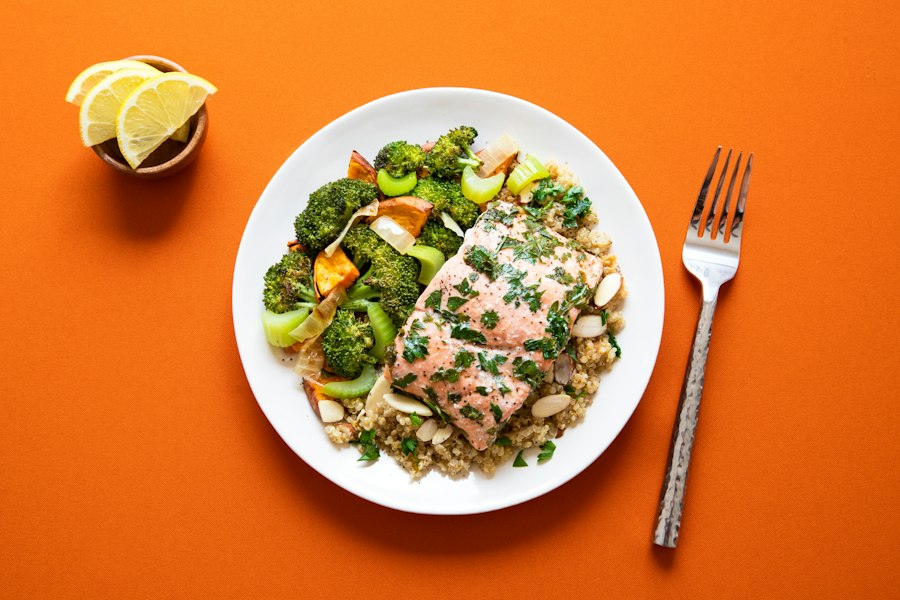
Here we present a selection of 10 recipes that show that eating healthy and delicious can be quick and easy. These options are designed to maximize flavor and nutritional value with minimal effort, perfect for any time of day.
1. Express Breakfast: Yogurt Bowl with Fruit and Homemade Granola
A complete breakfast that gives you energy for the whole morning.
Ingredients
- 1 cup plain yogurt (Greek for more protein)
- ½ cup assorted fresh fruits (berries, sliced banana, diced mango)
- ¼ cup homemade or low sugar granola
- 1 teaspoon chia or flax seeds (optional)
- A splash of honey or maple syrup (optional)
Preparation
- In a bowl, pour the yogurt.
- Add the fresh fruits on top.
- Sprinkle with granola.
- If you wish, add chia or flax seeds and a splash of natural sweetener.
- Ready to enjoy in less than 5 minutes!
2. Avocado and Poached Egg Toasts
A reinvented classic, full of healthy fats and proteins.
Ingredients
- 2 slices of whole wheat bread
- ½ ripe avocado
- 2 eggs
- Salt and pepper to taste
- Pinch of paprika or chili flakes (optional)
- a few drops of lemon
Preparation
- Toast the bread until golden.
- Meanwhile, prepare the poached eggs: Boil water in a small pot with a splash of vinegar. Crack an egg into a bowl and then gently slide it into the simmering water over low heat. Cook for 3-4 minutes until the white is firm and the yolk is runny. Repeat with the other egg.
- In a bowl, mash the avocado with a fork. Season with salt, pepper and a few drops of lemon.
- Spread the avocado on the toast.
- Using a slotted spoon, remove the poached eggs from the water and place them on top of the avocado.
- Season the eggs with salt, pepper, and a pinch of paprika or chili flakes if you like it spicy.
3. Quinoa Salad with Chickpeas and Roasted Vegetables
A complete, satisfying and flavorful salad, perfect for a light lunch or dinner.
Ingredients
- 1 cup cooked quinoa
- 1 can (400g) chickpeas, drained and rinsed
- 1 red bell pepper, cut into cubes
- 1 small zucchini, cut into cubes
- ½ red onion, finely chopped
- A handful of fresh spinach
- Dressing: 3 tablespoons olive oil, 2 tablespoons apple cider vinegar, 1 teaspoon Dijon mustard, salt and pepper to taste.
Preparation
- Preheat the oven to 200°C. On a baking sheet, toss the bell pepper and zucchini with a little olive oil, salt and pepper. Roast for 15-20 minutes or until tender and lightly browned.
- In a large bowl, combine the cooked quinoa, chickpeas, red onion and spinach.
- Once ready, add the roasted vegetables to the bowl.
- For the dressing, whisk all the ingredients in a small container.
- Pour the dressing over the salad and mix well. Serve warm or cold.
4. Chicken and Vegetable Wrap with Hummus
A quick and portable option, ideal to take to work.
Ingredients
- 2 large whole wheat tortillas
- ½ cup cooked, shredded chicken (or turkey, or grilled tofu for a vegetarian option)
- ¼ cup hummus
- ¼ cup grated carrot
- ¼ cup sliced cucumber
- A handful of lettuce or spinach leaves
- Salt and pepper to taste
- A pinch of sweet paprika (optional)
Preparation
- Spread a tortilla on a clean surface.
- Spread the hummus all over the surface of the tortilla.
- Place the shredded chicken in the center, leaving room around the edges.
- Scatter the grated carrot, cucumber and lettuce/spinach leaves over the chicken.
- Season with salt, pepper and paprika if desired.
- Fold the sides of the tortilla toward the center and then roll tightly from the bottom up.
- Cut in half and serve.
5. Baked Salmon with Asparagus and Lemon
An elegant and healthy dinner that is prepared in less than 20 minutes.
Ingredients
- 2 salmon fillets (approximately 150g each)
- 1 bunch fresh asparagus, tough bases trimmed
- 1 lemon, thinly sliced
- 2 tablespoons olive oil
- Salt and pepper to taste
- Chopped fresh dill (optional, to decorate)
Preparation
- Preheat the oven to 200°C.
- Place the salmon fillets and asparagus on a baking sheet lined with baking paper.
- Drizzle the salmon and asparagus with olive oil. Season with salt and pepper.
- Place the lemon slices on top of the salmon fillets and between the asparagus.
- Bake for 12-15 minutes, or until the salmon is cooked to your liking and the asparagus is crisp-tender.
- Serve immediately, sprinkling with fresh dill if desired.
6. Scrambled Tofu with Vegetables
A quick and vegan alternative to scrambled eggs, ideal for any meal of the day.
Ingredients
- 1 block (300g) firm tofu, pressed and crumbled
- ½ chopped onion
- 1 small pepper, chopped
- 1 cup fresh spinach
- 1 teaspoon turmeric (for color and anti-inflammatory properties)
- ½ teaspoon cumin powder
- Salt and pepper to taste
- 1 tablespoon olive oil
- Chopped fresh parsley to decorate
Preparation
- Heat the olive oil in a large skillet over medium heat.
- Add the onion and pepper, cook for 5-7 minutes until tender.
- Add the crumbled tofu, turmeric and cumin. Cook, stirring occasionally, for 5-8 minutes until the tofu is lightly browned.
- Add the spinach and cook until wilted.
- Season with salt and pepper to taste.
- Serve hot, decorated with fresh parsley.
7. Quick Lentil and Vegetable Soup
A comforting soup, nutritious and surprisingly quick to prepare if you use cooked lentils.
Ingredients
- 1 tablespoon olive oil
- 1 small onion, chopped
- 2 cloves garlic, minced
- 1 carrot, diced
- 2 stalks celery, chopped
- 1 can (400g) cooked lentils, drained and rinsed
- 1 can (400g) crushed tomatoes
- 4 cups low sodium vegetable broth
- ½ teaspoon cumin
- ½ teaspoon dried oregano
- Salt and pepper to taste
- Chopped fresh parsley to serve
Preparation
- In a large pot over medium heat, heat the olive oil. Sauté onion, garlic, carrot and celery for 5-7 minutes until tender.
- Add the lentils, crushed tomatoes, vegetable broth, cumin and oregano.
- Bring to a boil, then reduce the heat and simmer for 10-15 minutes, allowing the flavors to blend.
- Season with salt and pepper to taste.
- Serve hot, sprinkled with fresh parsley.
8. Quick Buddha Bowls (with leftovers)
Take advantage of leftovers meal prep to create a nutritious and customizable bowl.
Base Ingredients
- 1 cup cooked grain (quinoa, brown rice, couscous)
- ½ cup cooked protein (shredded chicken, roasted chickpeas, grilled tofu)
- 1 cup fresh or roasted vegetables (lettuce, tomato, cucumber, roasted broccoli, carrot)
Toppings and Dressing
- ¼ sliced avocado
- A handful of seeds (sesame, sunflower, pumpkin)
- Dressing of your choice (hummus, tahini dressing, lemon vinaigrette)
Preparation
- In a large bowl, place the cooked grain as a base.
- Arrange the cooked protein and vegetables around the grain.
- Add the avocado slices and sprinkle with the seeds.
- Drizzle with your favorite dressing.
- Mix everything before eating and enjoy a complete and balanced dish.
9. Whole Wheat Pasta with Pesto and Cherry Tomatoes
A quick, light and flavorful Italian dinner.
Ingredients
- 200g whole wheat pasta (spaghetti, fusilli, penne)
- ½ cup Genoese pesto (homemade or good quality)
- 1 cup cherry tomatoes, cut in half
- ¼ cup toasted pine nuts (optional)
- Grated Parmesan cheese (optional, to serve)
- Salt and pepper to taste
Preparation
- Boil salted water in a large pot. Add the pasta and cook according to package directions until al dente.
- While the pasta is cooking, in a large bowl, combine the pesto and cherry tomatoes.
- Once cooked, drain the pasta, reserving a little of the cooking water.
- Add the drained pasta to the bowl with the pesto and tomatoes. Mix well. If the sauce is too thick, add a little of the pasta cooking water.
- Season with salt and pepper to taste.
- Serve hot, sprinkled with toasted pine nuts and Parmesan cheese if desired.
10. Vegetable and Feta Cheese Omelet
A versatile and nutritious option that can be enjoyed for breakfast, lunch or dinner.
Ingredients
- 3 large eggs
- 1 tablespoon milk (optional, to make it fluffier)
- ½ cup chopped vegetables (spinach, peppers, mushrooms, onion)
- ¼ cup crumbled feta cheese
- 1 tablespoon olive oil
- Salt and pepper to taste
Preparation
- In a bowl, beat the eggs with the milk (if using), salt and pepper.
- Heat the olive oil in a medium-sized nonstick skillet over medium heat.
- Add the chopped vegetables and sauté for 3-5 minutes until tender.
- Pour the egg mixture over the vegetables in the skillet.
- Cook for 2-3 minutes until the edges of the tortilla begin to set.
- Sprinkle the feta cheese over the tortilla.
- You can finish it in two ways:
- Pan option: Cook over low heat, covered, until the top is completely set (about 5-7 minutes).
- Oven option: If your pan is oven safe, put it in the preheated oven at 180°C for 5-7 minutes until golden and set.
- Slide the tortilla onto a plate and cut into portions.
He healthy breakfast It is a great way to start the day with energy. Many people enjoy a healthy breakfast on weekends. A healthy breakfast can include fruits, whole grains, and protein.
Additional Tips to Optimize Your Meals
Beyond recipes, there are habits and tricks that can make your cooking experience even more efficient and enjoyable, ensuring you always have healthy options on hand.
The Importance of Organization in the Kitchen
| Option | Preparation time | Approximate calories | Nutritional benefits | Difficulty |
|---|---|---|---|---|
| Quinoa salad with vegetables | 15 minutes | 350 kcal | High in protein and fiber | Easy |
| Chicken and avocado wrap | 10 minutes | 400 kcal | Rich in healthy fats and proteins | Easy |
| Green smoothie (spinach, banana, plant milk) | 5 minutes | 250 kcal | High in vitamins and antioxidants | Very easy |
| Whole wheat toast with hummus and tomato | 7 minutes | 300 kcal | Source of fiber and healthy fats | Easy |
| Natural yogurt with fruits and nuts | 3 minutes | 280 kcal | Probiotics and antioxidants | Very easy |
An organized kitchen is the first step to cooking efficiently. Knowing where every ingredient and utensil is reduces searching time and stress.
Keep your Pantry and Refrigerator Tidy
- Product rotation: Place new products behind older ones to ensure they are used before they expire.
- Transparent containers: Use clear containers to store grains, pasta and legumes. This allows you to quickly see what you have and how much is left.
- Labeled: Label containers with the expiration or preparation date, especially in the refrigerator.
- “Ready to use” area: Dedicate a shelf in the refrigerator to pre-prepared or pre-cut foods that are ready to be eaten or added to a recipe.
Time-Saving Kitchen Tools
- Food processor: Ideal for chopping large quantities of vegetables, making purees or quickly grating cheese.
- Pressure cooker or instant pot: Dramatically reduces cooking times for legumes, grains and meats.
- Air fryer: Cook foods crispy with less oil and in less time than a traditional oven.
- Cutting boards and sharp knives: A good set of knives makes preparation faster and safer.
- Non-stick pans: They make cooking and cleaning easier.
Healthy and Quick Snacks
It's not just the main meals that matter. Have snacks Healthy foods on hand is crucial to avoid falling into the temptation of less nutritious options between meals.
No-Prep Snacks Options
- Fresh Fruits: Apples, bananas, oranges, pears.
- Handful of nuts: Almonds, walnuts, cashews. Rich in healthy fats and proteins.
- Plain yogurt: Alone or with a little fruit.
- Baby carrots or celery sticks: Crispy and refreshing.
Quick-to-Prepare Snacks (5-10 minutes)
- Hummus with vegetables: A few spoonfuls of hummus with carrot, cucumber or pepper sticks.
- Rice toast with avocado: A light base with healthy fats.
- Hard boiled eggs: Prepare a batch at the beginning of the week.
- Fruit smoothies: Frozen fruits, a little yogurt or milk and that's it.
- Edamame al vapor: An excellent source of vegetable protein.
Adapting Recipes to Your Needs and Preferences
The key to maintaining a healthy diet long term is flexibility. Recipes are guides, but the real magic happens when you adapt them to your tastes, available ingredients, and your specific dietary needs.
Smart Ingredient Substitutions
Don't limit yourself to the exact ingredients in a recipe. Many times, you can substitute items to fit what you have at home or to explore new flavors.
Common and Healthy Exchanges
- Proteins: If a recipe calls for chicken, you can use turkey, tofu, tempeh, chickpeas, or lentils. For fish, salmon can be replaced by tuna, cod or any white fish.
- Vegetables: Most vegetables are interchangeable. If you don't have broccoli, use cauliflower. If there is no spinach, chard or kale are good alternatives. Frozen vegetables are always a great option if you don't have fresh ones.
- Grain: If you don't have quinoa, use brown rice, couscous or even small whole wheat pasta.
- Dairy: Cow's milk and yogurt can be replaced by vegetable versions (almond, soy, oats) if you have an intolerance or prefer vegan options.
- Fats: Instead of olive oil, you can use avocado or coconut oil in some preparations, although extra virgin olive oil is superior for dressings.
Adjustments for Specific Diets
- Vegetarian/Vegan: Replace meats and dairy products with tofu, tempeh, legumes, mushrooms, or vegetable alternatives.
- Sin Gluten: Opt for grains such as quinoa, rice, corn or millet. Make sure processed products (like bread or pasta) are labeled “gluten-free.”
- Low Carb: Reduce the amount of grains and legumes, increasing non-starchy vegetables and proteins. Use zucchini noodles or cauliflower rice.
- Low in Sodium: Use spices and herbs to enhance the flavor instead of salt. Choose products without added sodium.
Personalization and Creativity in the Kitchen
Cooking is an art, and experimentation is key to enjoying the process and discovering new favorite dishes.
Experiment with Spices and Herbs
- Variety: Don't limit yourself to salt and pepper. Try cumin, paprika, curry, oregano, thyme, rosemary, basil. Each one can completely transform the flavor profile of a dish.
- Fresh vs. Dried: Fresh herbs provide a more vibrant flavor, but dried herbs are convenient and long-lasting. Experiment with both.
- Mixtures: Create your own spice blends to have on hand for quick seasoning.
Don't be afraid of improvisation
- Use what you have: Open your refrigerator and pantry and think of possible combinations with what you already have. This reduces food waste and forces you to be creative.
- Adjust to your liking: If you like it spicy, add a little chili or chilli flakes. If you prefer a citrus touch, squeeze in a little more lemon or lime.
- Learn from mistakes: Not every improvisation will be a success, and that's okay! Each attempt teaches you something new about flavors and combinations. Cooking is a journey of constant learning.
- Involve the family: Cooking with others can be more fun and allows everyone to contribute their ideas and preferences, making food a team affair.
Conclusion: Wellbeing within the Reach of your Spoon
Adopting a healthy lifestyle, especially when it comes to diet, doesn't have to be a daunting or time-consuming task. As we've explored throughout this list, the key lies in a combination of smart planning, proper ingredient selection, and a willingness to experiment in the kitchen. The 10 recipes presented are just a starting point, a sample of the infinite possibilities that exist to enjoy delicious, nutritious and quick-to-prepare dishes. From breakfasts that energize your morning to dinners that warm your soul, wellness is literally at your spoon's fingertips.
Remember that consistency and flexibility are your best allies. It's not about seeking perfection in every meal, but about making conscious choices most of the time. Small changes to your eating habits can make a significant impact on your health, energy, and overall mood. Invest time in planning your weekly meals, stock your pantry with essential ingredients and don't be afraid to try new combinations. Use the strategies of meal prep y batch cooking to free yourself from daily pressure and make sure you always have healthy options on hand, both for your main meals and for those between-meal cravings.
Fast and healthy cooking is more than a fad; It is a powerful tool to improve your quality of life. It allows you to nourish your body with whole foods, control what you consume and, most importantly, enjoy the pleasure of eating well without sacrificing your valuable time. Dare to explore, savor and transform your relationship with food. Your body and mind will thank you. Enjoy!
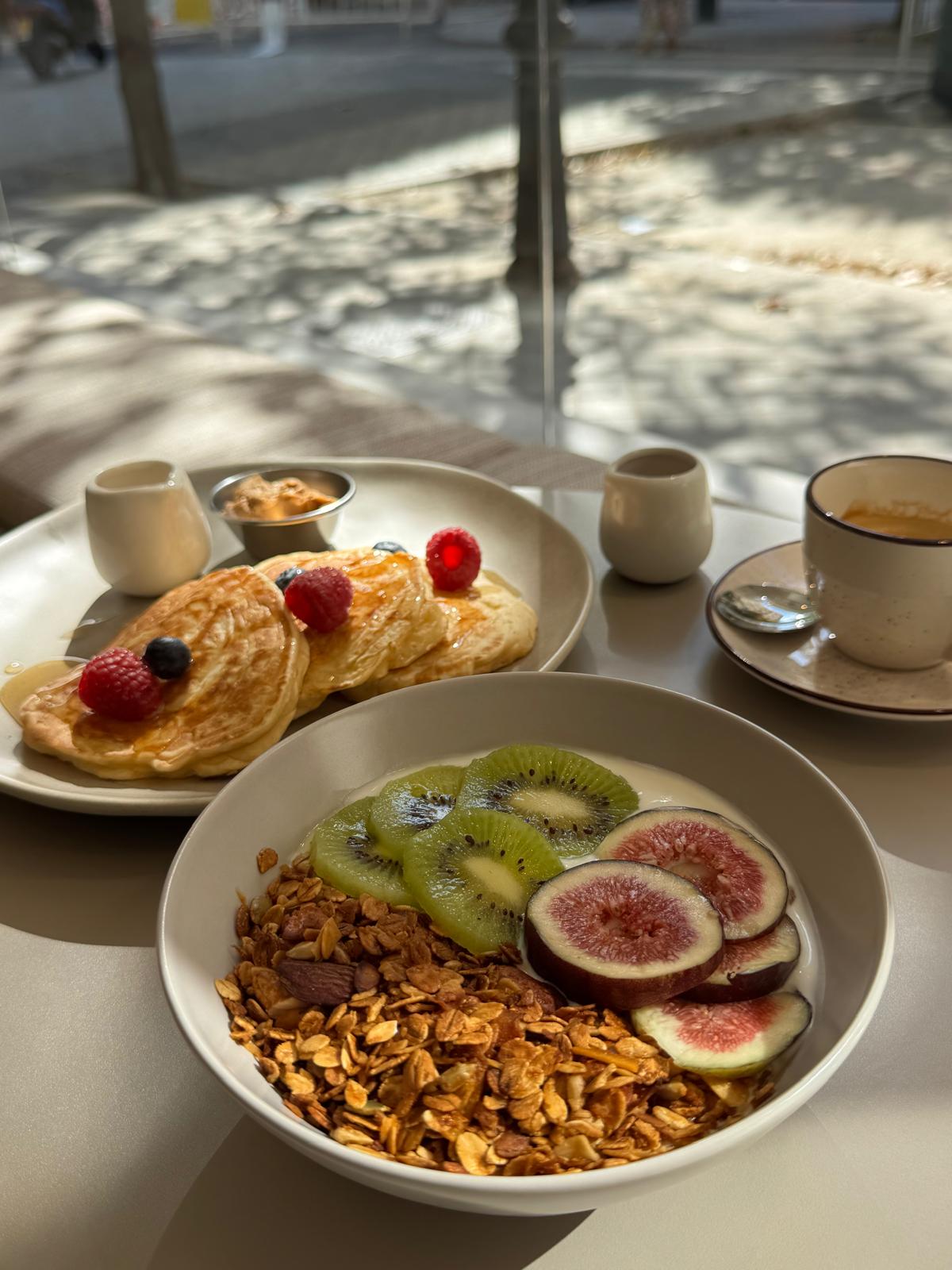
Healthy all day brunch
FAQs
What are some quick and healthy meal options?
Some quick and healthy meal options include salads with lean protein, vegetable and chicken wraps, quinoa bowls with vegetables, and smoothies with fruits and vegetables.
What ingredients can be used to prepare quick and healthy meals?
Some ideal ingredients to prepare quick and healthy meals are fresh vegetables, lean proteins such as chicken or fish, whole grains such as quinoa or brown rice, and healthy fats such as avocado or nuts.
How can I plan my quick and healthy meals in advance?
You can plan your quick and healthy meals in advance by creating a weekly menu, making a shopping list with the necessary ingredients, and dedicating a day to preparing individual portions for the week.
Is it possible to find fast and healthy food options in restaurants or fast food outlets?
Yes, more and more restaurants and fast food establishments offer quick and healthy meal options, such as customizable salads, vegetable bowls, and wraps with fresh and nutritious ingredients.
What additional tips can I follow to maintain fast and healthy eating?
Some additional tips for maintaining fast, healthy eating include reading nutritional labels on foods, limiting consumption of processed foods, and staying hydrated by drinking enough water throughout the day.