
Teleworking and Your Psychological Well-being: A Possible Alliance
Flexibility, autonomy and reduced travel are just some of the advantages that teleworking has brought with it. However, this type of work, which has been consolidated in many companies around the world, also presents significant challenges for mental health. The blurring of the boundaries between personal and professional life, social isolation, overexertion and lack of ergonomics are factors that can negatively impact our psychological well-being. It is essential to recognize that the home, no matter how comfortable it may be, is not an office by default. It requires conscious adaptation and the implementation of specific strategies to preserve our mental health.
This list of tips is designed to help you navigate the complexities of teleworking, transforming challenges into opportunities to strengthen your well-being. From creating structured routines to fostering human connection, each recommendation seeks to offer practical and applicable tools in your daily life. It is not about completely eliminating stress, something inherent to any job, but about learning to manage it effectively, cultivating an environment that encourages tranquility, productivity and personal fulfillment. Investing in your mental health is the most valuable investment you can make, not only for your work performance, but for your overall quality of life.
1. Establish Clear Boundaries Between Work and Personal Life
One of the biggest challenges of teleworking is the difficulty of disconnecting. When your “office” is at home, it's easy to be tempted to respond to an email late at night or extend the workday indefinitely. This lack of boundaries can lead to burnout, chronic stress, and the erosion of your personal and family life. It is crucial to create a tangible and mental separation between your work responsibilities and your leisure time.
1.1. Define a Strict Work Schedule and Stick to It
Just as you would in a traditional office, establish a start and end time for your work day. Communicate this schedule to your colleagues and superiors, and strive to respect it. Use calendar tools to block out your work hours and breaks. At the end of your day, close work apps, turn off notifications, and resist the temptation to “take one last look” at email. This disconnection ritual helps your brain transition from work mode to rest mode. Consider setting an alarm that marks the beginning and end of your day, functioning as an auditory signal that reinforces this transition.
1.2. Create a Designated and Differentiated Workspace
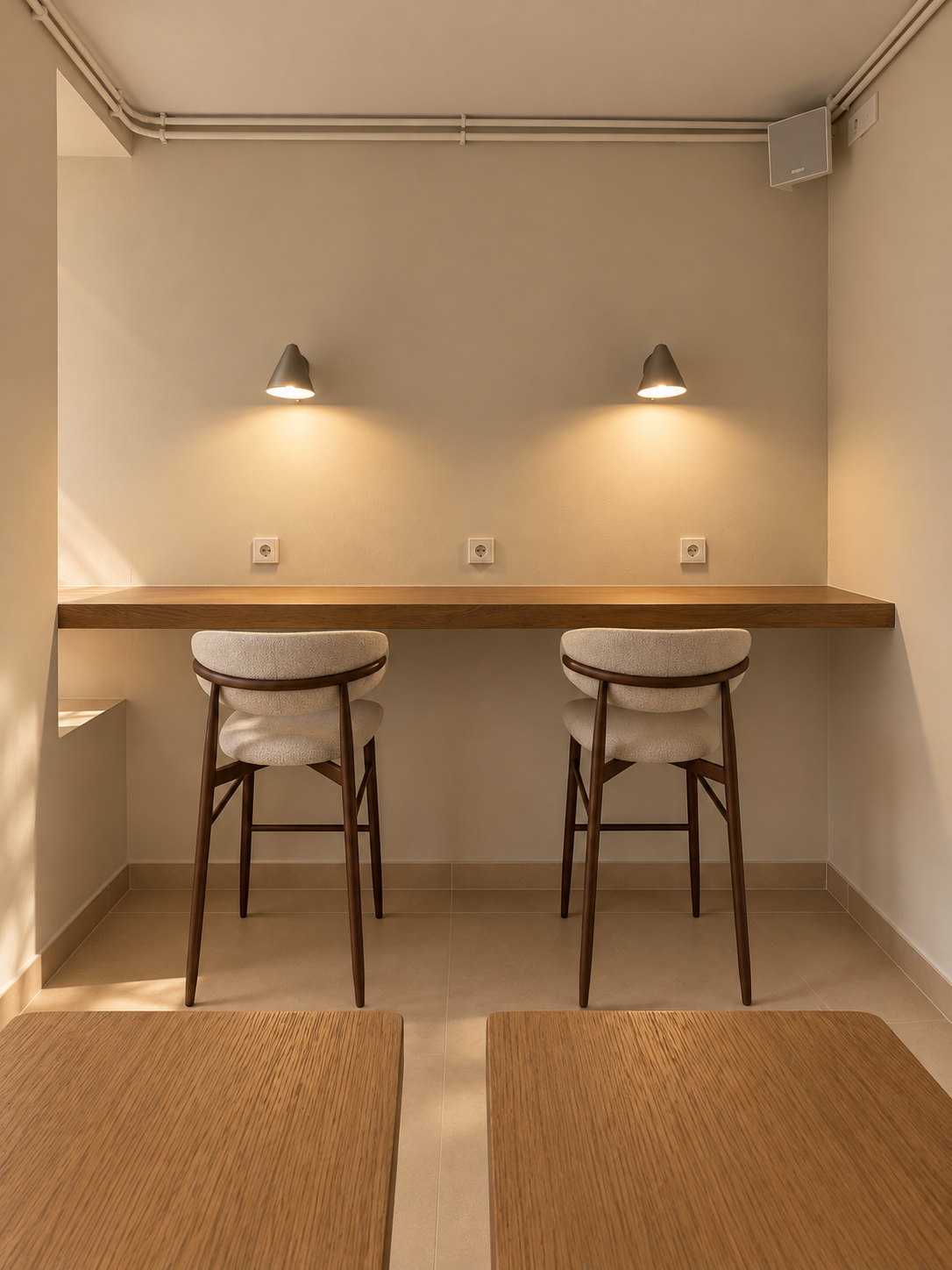
Ideally, your workspace should not be your bedroom or living room, if possible. If you have an extra room, turn it into your office. If not, dedicate a specific corner of a room just for work. Make sure this space is tidy, well lit, and free of distractions. When you finish your day, leave that space. This creates a physical and psychological barrier that helps you separate work from home life. If your space is multifunctional, like the kitchen table, put away all your work items (computer, documents, etc.) at the end of your day to symbolically "close" the office.
1.3. Develop a Post-Work Disconnection Ritual
Just as you can have a morning routine to prepare for work, create a routine to unwind at the end of your day. This may include a short walk, listening to relaxing music, reading a book, exercising, or spending time on a hobby. This ritual serves as a "bridge" between work and your personal life, helping you release built-up tension and shift your mental focus. It's an active way to communicate to your brain that the work day is over and it's time to relax and recharge.
Optimize your Physical and Digital Environment for Well-being

The environment in which you work has a direct impact on your productivity, concentration and, of course, your mental health. A disorganized space, with constant distractions or poor ergonomic configuration, can generate stress, fatigue and physical pain, affecting your mood and your ability to perform your tasks. Paying attention to these details is an investment in your long-term well-being.
2. Prioritize Ergonomics and Comfort in your Workplace
Working from home does not mean sacrificing ergonomics. An inappropriate chair or a poorly positioned screen can cause back, neck and head pain, which in turn affects your concentration and mood. Invest in good equipment and configure your space intelligently.
2.1. Invest in Appropriate Chairs and Tables
An ergonomic chair is essential to maintain correct posture and prevent injuries. Look for a chair that offers lumbar support, adjustable armrests, and adjustable height. If your budget is limited, consider ergonomic cushions or lumbar supports. Your table should be the right height so that your arms form a 90-degree angle when writing. If possible, consider a height-adjustable table so you can alternate between working sitting and standing, which is beneficial for circulation and reducing sedentary behavior.
2.2. Configure your Screen and Peripherals Correctly
The top of your screen should be at eye level or slightly below. Place it about an arm's length away to avoid eye strain. Use an external keyboard and mouse if you work on a laptop, as this will allow you to maintain a more natural and comfortable posture for your wrists and shoulders. Make sure there is good lighting, preferably natural, to reduce eye strain. If you work in low light, consider a desk lamp that directly illuminates your work area without creating reflections on the screen.
3. Manage Distractions and Maintain Focus
The home is full of distractions: housework, pets, family members, the television... Managing these interruptions is key to maintaining productivity and avoiding frustration, which often translates into stress.
3.1. Create a Disruption-Free Environment
Let your family members know your work schedule and ask them to respect that time. If you have small children, establish routines and activities for them while you work, or coordinate with your partner to alternate caregiving. Use noise-canceling headphones if the environment is noisy. Close doors if possible and use a visual cue (such as a "Do Not Disturb" sign) to indicate that you are on a call or focused on a task.
3.2. Implement Time Management and Distraction Blocking Techniques
Techniques such as the Pomodoro Technique (25 minutes of focused work followed by 5 minutes of rest) can be very effective in maintaining focus. Turn off unnecessary notifications on your phone and computer. Use website blocking apps to avoid the temptation of browsing social media or entertainment sites during your work hours. Plan your tasks at the beginning of the day and focus on just one at a time, avoiding multitasking which often reduces efficiency and increases stress.
4. Cultivate Social Connections and Break Isolation
Teleworking, although comfortable, can lead to social isolation. The lack of informal interactions in the office, such as chatting at the coffee machine, can affect your sense of belonging and emotional well-being. It is crucial to be proactive in maintaining and fostering human connections.
4.1. Maintain Regular Contact with Colleagues and Superiors
Don't limit yourself to purely work communications. Schedule regular virtual meetings with your team to chat about non-work related topics. Use instant messaging tools for casual conversations. Actively participate in team meetings, even if it is just to listen and contribute ideas. Consider setting up virtual “coffee breaks” with colleagues to maintain that social aspect that is missing in the office. Open and frequent communication prevents misunderstandings and strengthens team spirit.
4.2. Promote Your Social Networks Outside of Work
Teleworking frees you from commuting time, which can be an opportunity to invest in your friends and family. Schedule video calls with friends and loved ones, join groups or clubs with common interests (virtual or in-person), and dedicate quality time to your hobbies. It is important to differentiate work relationships from personal ones to have a diverse and robust support system. Don't let the comfort of home isolate you from the outside world.
4.3. Consider Occasional Coworking Spaces
If isolation becomes too much, a great option is to occasionally book a hot desk at a coworking space like Contempo. These spaces not only offer a change of scenery and a professional environment, but also provide the opportunity to interact with other people, even if they are not your direct colleagues. The simple presence of other professionals can alleviate feelings of loneliness and stimulate creativity. Additionally, a coworking environment often comes equipped with excellent infrastructure and an atmosphere that encourages productivity, which can be a respite from the distractions of home and an effective way to reestablish mental boundaries between work and personal life when leaving that specific environment at the end of the day.
Take Care of Your Mind and Body: Pillars of Healthy Teleworking

Comprehensive well-being is a combination of physical and mental factors. When teleworking, it is easy to neglect certain aspects of our health due to the lack of movement and the intensity of screens. Being conscious and proactive in taking care of your body and mind is essential to maintaining energy, clarity and resilience.
5. Incorporate Movement and Rest into Your Daily Routine
Sedentary lifestyle is one of the biggest dangers of teleworking. Sitting in front of a screen for hours can lead to physical and mental health problems. Movement and adequate rest are essential to counteract these effects.
5.1. Take Active Breaks Regularly
Don't wait until you feel tired or sore to move. Schedule short breaks every hour or hour and a half to get up, stretch, walk a bit, or do simple exercises. This improves circulation, reduces muscle tension and helps clear your mind. Consider doing neck, shoulder, and back stretches, or just walking around your house. Drinking water frequently will force you to get up to refill your glass and go to the bathroom, which is a simple but effective trick.
5.2. Dedicate Time to Physical Activity Outside of Work
Regular physical activity is a powerful antidote to stress and anxiety. Plan for at least 30 minutes of moderate exercise most days of the week. This can be walking, running, cycling, yoga, or any activity you enjoy. Exercise not only improves your physical health, it also releases endorphins, improving your mood and quality of sleep. Use the time you save traveling to prioritize this activity.
6. Prioritize Quality Sleep and Conscious Eating
Sleep and nutrition are the pillars of your energy and well-being. When you work from home, it's easy for your sleep patterns to become disrupted or for you to turn to unhealthy snacks for convenience.
6.1. Maintain a Consistent Sleep Routine
Set a regular time to go to bed and wake up, even on weekends, to regulate your circadian rhythm. Make sure your bedroom is dark, quiet and cool. Avoid screens (computer, tablet, phone) at least an hour before bed, as blue light can interfere with the production of melatonin, the sleep hormone. Restful sleep is crucial for concentration, memory and stress management.
6.2. Eat Healthily and Avoid Constant Snacking
Plan your healthy meals and snacks. Having constant access to the refrigerator can lead to impulsive snacking. Prepare your meals in advance if necessary to avoid resorting to less nutritious options. Hydrate yourself properly by drinking enough water throughout the day. Good nutrition will give you the sustained energy you need for your tasks and will help stabilize your mood.
7. Manage Stress and Anxiety Proactively
Stress and anxiety are common companions of teleworking, exacerbated by uncertainty, information overload and lack of disconnection. Developing strategies to manage them is vital.
7.1. Practice Mindfulness and Meditation
Incorporate a few minutes of mindfulness or meditation into your day. There are many apps and online resources that can guide you. Mindfulness helps you focus on the present, observe your thoughts and emotions without judgment, and reduce mental rumination. Even just a few minutes a day can make a big difference in your ability to manage stress and improve your concentration.
7.2. Establish Information Limits and Digital Detox
In the age of information overload, it's easy to feel overwhelmed. Limit your exposure to negative news or social media, especially before you start work or before going to bed. Digital "detox" program, where you completely disconnect from devices for a period of time. This allows you to recharge your mind and reduce mental fatigue caused by constant connectivity.
8. Promotes Continuous Learning and Self-Efficacy
Feeling stagnant or incompetent can negatively impact your self-esteem and motivation. Teleworking offers the opportunity to take control of your professional and personal development.
8.1. Dedicate Time to Professional and Personal Development
Take advantage of the flexibility of teleworking to learn new skills, take online courses or read about topics of interest to you. This not only keeps you professionally relevant but also gives you a sense of purpose and achievement. Continuous learning stimulates your brain and helps you maintain a fresh perspective.
8.2. Set Realistic Goals and Celebrate Accomplishments
Break down your big projects into smaller, more manageable tasks. Set SMART goals (Specific, Measurable, Attainable, Relevant and Time-bound). As you complete each task, take a moment to recognize your progress. Celebrating small achievements increases your motivation and helps you maintain a positive attitude in the face of challenges.
9. Practice Self-Compassion and Seek Support When You Need It
Teleworking can be demanding and it's easy to be too hard on yourself. Excessive self-criticism can lead to burnout and mental health problems.
9.1. Be Kind to Yourself and Avoid Perfection
Recognize that not every day will be maximally productive. There will be moments of low energy or distraction. Instead of harshly criticizing yourself, practice self-compassion. Treat yourself with the same kindness and understanding that you would give a friend in a similar situation. Accept that perfection is not a realistic goal and focus on progress, not infallibility.
9.2. Don't hesitate to seek professional help if necessary.
If you feel that stress, anxiety or depression is affecting your daily life, do not hesitate to seek professional support. A therapist or counselor can offer you tools and strategies to manage these challenges. Talking to a mental health professional is not a sign of weakness, but rather a sign of strength and self-care. Many therapies are now offered online, making it easy to access from home.
10. Maintain Perspective and Be Grateful for Opportunities
It's easy to focus on the challenges of teleworking and forget its benefits. Maintaining an attitude of gratitude can be a powerful driver for mental well-being.
10.1. Reflect on the Benefits of Teleworking
Take a moment each day to reflect on what you appreciate about teleworking: the flexibility, saving time traveling, the comfort of your home, the possibility of being closer to your family, etc. This practice can help you maintain a positive outlook and reduce stress.
10.2. Plan Leisure and Enjoyment Activities
Make sure your life doesn't revolve solely around work, even if it's from home. Plan leisure activities that you enjoy, whether alone or with others. This can be a hobby, going outdoors, watching a movie, reading, etc. Having something to look forward to outside of work gives you balance and helps you recharge. Anticipation of pleasurable activities is an important component of happiness and overall well-being.
Teleworking has transformed the way we work, offering unprecedented freedom, but also demanding greater self-discipline and awareness of our well-being. Implementing these 10 tips will not only help you improve your mental health, but will also boost your productivity and overall satisfaction. Remember that taking care of your mind is as important as taking care of your body, and that balance between work and personal life is the key to a full and healthy existence in this new era of work.
Work at your pace
FAQs
Can teleworking affect people's mental health?
Yes, teleworking can affect people's mental health due to social isolation, lack of face-to-face interaction, difficulty disconnecting from work, and lack of boundaries between work and personal life.
What measures can be taken to take care of mental health when working from home?
Some measures you can take to take care of your mental health when working from home include establishing defined work hours, creating a separate workspace, maintaining a daily routine, taking regular breaks, and practicing relaxation techniques.
How can you avoid social isolation when teleworking?
To avoid social isolation when teleworking, it is important to maintain contact with colleagues through video calls, participate in virtual meetings, join online interest groups, and schedule social activities outside of work hours.
What impact can teleworking have on productivity and emotional well-being?
Teleworking can have a positive impact on productivity by reducing commuting and office distractions, but it can also increase stress and anxiety if clear boundaries are not established between work and personal life.
Is it important to establish clear boundaries between work and personal life when teleworking?
Yes, it is essential to establish clear boundaries between work and personal life when teleworking to avoid burnout, stress, and lack of disconnection. Establishing defined work hours and creating a separate workspace can help maintain a healthy balance.