
Hello everyone! I'm Alexia Cook, and if you know me, you know that my passion for coffee has no limits. Since I founded Contempo here in the heart of Barrio Salamanca, my goal has been to share with you the magic of specialty coffee. It is not just a drink, it is an experience, a philosophy, an art that is lived in each cup. And precisely for that reason, I want to invite you on a journey of discovery that begins with a question that many ask: Is specialty coffee overrated?
For me, the answer is a resounding no, but I understand that there may be doubts. For this reason, I have prepared this guide so that together we can unravel the mysteries and wonders hidden in each grain. And I promise you, after reading this, your perspective on coffee will change forever. So, without further ado, grab your favorite cup – or better yet, come to Contempo and let me make you one – and let's dive into the fascinating world of specialty coffee. I'll wait for you!
1. The Harvest and the Origin: Beyond a Simple Grain
When we talk about specialty coffee, the first thing we must understand is that its journey begins long before it reaches our cup. It is not a massive or generic product; Each grain has a history, a terroir, and artisanal care that distinguishes it. This is where the idea of "overvaluation" begins to blur, since the value lies precisely in this meticulous attention from the origin.
1.1. The Ecosystem and Varieties: A World of Nuances
Imagine a vineyard, where each type of grape and the soil where it grows influence the flavor of the wine. Something similar happens with coffee, but perhaps even more complex. Specialty coffee is grown in specific regions, at specific altitudes, with unique climates and soils that result in distinctive flavor profiles. A coffee from Ethiopia, the birthplace of Arabica, with its floral and citrus notes, is not the same as one from Colombia, known for its balanced body and sweetness, or one from Brazil, more chocolatey and full-bodied.
Botanical varieties play a crucial role. Within the Arabica species, which is the predominant one in specialty coffee (unlike Robusta, which is more bitter and has more caffeine), there are countless varieties such as Geisha, Typica, Bourbon, Caturra, Pacamara, among others. Each one brings its own nuances and complexities. For example, the Geisha variety is famous for its exceptional flavor profile, with notes of jasmine, bergamot and peach, making it one of the most coveted and, yes, also the most expensive. This value is not arbitrary; is the reflection of superior genetics and ideal growing conditions that result in an unparalleled sensory experience.
1.2. Sustainable and Ethical Practices: The Heart of Value
Behind every cup of specialty coffee is a deep commitment to sustainability and ethics. This translates into agricultural practices that respect the environment, such as shade cultivation, biodiversity conservation and responsible use of water. Farmers who produce specialty coffee not only care about the quality of their beans, but also the long-term health of their land.
Furthermore, fair and direct trade is a cornerstone. Unlike the market commodities, where farmers often receive ridiculous prices, specialty coffee seeks to establish direct relationships between producers and roasters. This ensures that farmers receive a fair price for their work, one that allows them to invest in their farms, improve their living conditions and continue producing high-quality coffee. At Contempo, we strive to work with suppliers who share this philosophy, because we know that every euro we pay for a specialty coffee is not only to enjoy good coffee, but to support communities and a fairer business model. Can something that supports such a positive value chain be considered “overrated”? I think not.
2. The Roasting Process: The Artisanal Transformation
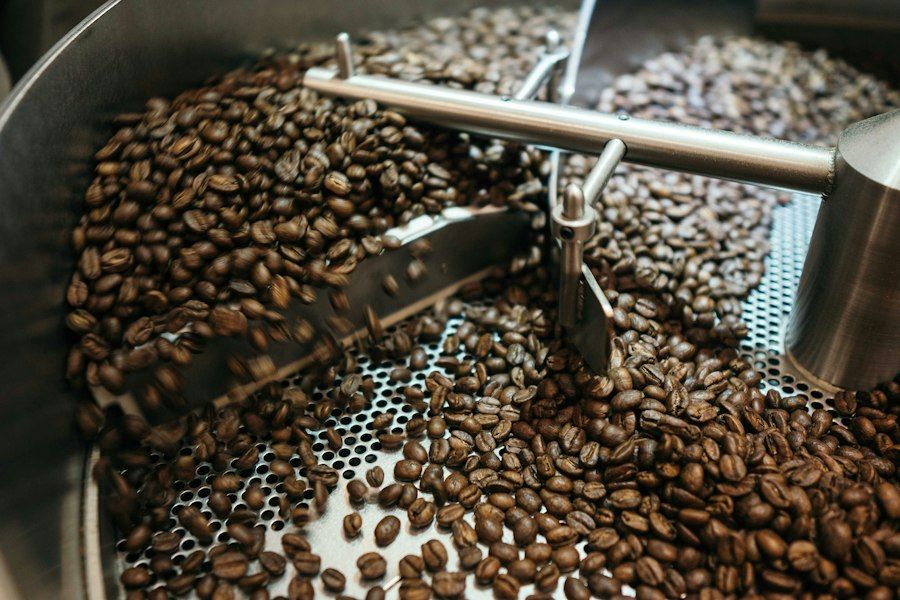
Once harvested, processed, and dried, the green coffee reaches the hands of the roaster, the alchemist who will unlock its full potential. This is another crucial point where specialty coffee stands out, and where much of its value is justified. Roasting is not an exact science, it is an art that requires experience, intuition, and a deep knowledge of the bean.
2.1. The Art and Precision of the Master Roaster
Imagine a chef who knows every ingredient to perfection and knows how to extract the best from them. That is what the specialty coffee master roaster is like. Their goal is not simply to burn the bean, but to develop and highlight the complex flavors inherent to each origin and variety. An inadequate roast can ruin even the best bean, causing it to lose its nuances or develop bitter and burnt flavors.
A good roaster analyzes each batch of green coffee: its density, its moisture, the type of processing it underwent. Based on this information, they design a specific roast profile, adjusting the temperature, airflow, and time in each phase of the process. This precise control is fundamental. For example, a very light roast can leave the coffee with a «green» or grassy flavor, while a very dark one can carbonize the sugars and eliminate the most delicate notes.
At Contempo, we collaborate with roasters who are true artists, capable of finding the sweet spot that enhances the sweetness, bright acidity, and body of each coffee. This dedication and the advanced technology they use (precision roasting machines, monitoring software) are an integral part of the cost and final value of the product. The investment in equipment, constant training, and the skill of the person behind the machine are not minor details; they are factors that guarantee that every bag of coffee leaving the roaster is of the highest possible quality.
2.2. Freshness and Optimal Consumption: The Key Difference
Have you ever noticed that supermarket coffee doesn't have a roast date, or if it does, it's from months ago? This is a big problem. Coffee, like other fresh products, has an optimal shelf life after roasting. Its aromatic and flavor compounds are volatile and degrade over time, losing intensity and developing stale or rancid flavors.
Specialty coffee is roasted in small batches and shipped quickly to customers and coffee shops. The roast date is a fundamental piece of information that you will always see on specialty coffee bags. This guarantees that you are buying a product that is at its peak to be enjoyed. Generally, coffee is at its optimal point between 7 and 30 days after roasting, depending on the brewing method and the bean itself.
This attention to freshness implies different logistics and a different business model. There are no large warehouses where coffee is stored for months. It is roasted on demand or in quantities that ensure rapid consumption. Is this approach more expensive? Yes, of course. But the reward is a cup with vibrant aromas, clean acidity, and a full flavor that you simply cannot find in a coffee that has been sitting on a shelf for half a year. The added value of freshness cannot be underestimated and is one of the main reasons why specialty coffee offers a superior experience.
3. The Barista: The Final Link in the Chain of Excellence
Even the best coffee bean, roasted to perfection, can be ruined if it is not prepared correctly. This is where the barista comes into play, the person in charge of taking the coffee from bean to cup, making sure that every extraction is a work of art. At Contempo, my baristas are the backbone of our offering, and their role is fundamental in justifying the value of specialty coffee.
3.1. Skill and Technical Knowledge: Beyond a «Waiter»
A specialty coffee barista is not a simple «waiter» who pushes a button. They are a highly qualified professional with a deep knowledge of the science behind coffee brewing. This includes understanding grind size distribution (how fine or coarse the ground coffee should be for each extraction method), water temperature, espresso machine pressure, extraction time, and the proper coffee-to-water ratios.
Each brewing method –espresso, V60, Chemex, Aeropress, French press– requires a different technique and approach to highlight the unique characteristics of the coffee. For example, for a perfect espresso, the barista must constantly adjust the grinder, as factors like ambient humidity or bean freshness can have an influence. A good espresso must have a perfect balance between sweetness, acidity, and bitterness, with a dense and persistent crema. Achieving this requires years of practice, training, and a developed sensitivity for flavor.
We invest heavily in training our team, because we know that an expert barista can transform a good coffee into an unforgettable experience. This technical and sensory mastery is not free; it is part of the value you get when paying for a specialty coffee. The expertise of a skilled barista ensures that every cup I serve you at Contempo is a faithful representation of the potential of that particular bean.
3.2. The Sensory Experience and Customer Interaction
Beyond technique, the barista is also a storyteller, an educator, and a host. Their role is to guide the customer through the specialty coffee experience, offering recommendations, explaining the characteristics of each origin and brewing method, and answering questions. This interaction is crucial for the customer to fully appreciate the value of what they are drinking.
At Contempo, we love sharing our stories about coffee: where it comes from, who grows it, how it was roasted. We want you to feel part of this journey. The sensory experience is not limited to taste; it also encompasses the aroma emanating from the cup, the texture on the palate, and the story being told. An experienced barista can help you identify flavor notes you might not have perceived before, enriching your palate and your appreciation for the drink.
Can this attention to detail, warmth in service, and shared passion for coffee be considered «overrated»? I would say no. They are an integral part of the experience that differentiates a specialty coffee shop from an industrial coffee chain. It is the difference between simply drinking coffee and savoring a story, an art, and a dedication that culminates in your cup.
In Madrid, you can enjoy a Barrio Salamanca specialty cafeteria (Montesa Street) that offers a unique experience. This place is known for its cozy atmosphere and its excellent selection of coffees. Don't miss the opportunity to visit this gem in the heart of the city.
4. Investment in Equipment and Technology: Tools for Excellence
To achieve perfection in every cup, good beans and expert baristas are not enough; the right machinery is needed. Investing in high-quality equipment is another fundamental pillar that supports the price of specialty coffee and demonstrates that it is not overrated, but rather that its value is justified.
4.1. Precision Grinders and High-End Espresso Machines
In the world of specialty coffee, every detail counts. A poor-quality grinder, for example, produces coffee particles of inconsistent sizes (known as «fines» and «boulders»), leading to uneven extraction and a cup with bitter or sour flavors. Therefore, at Contempo and in any good specialty coffee shop, you will find high-precision grinders, often with large flat or conical burrs, which guarantee a uniform grind. These grinders are expensive, but they are a crucial investment for quality.
The same applies to espresso machines. Not all machines are created equal. Professional espresso machines used in specialty coffee shops are true works of engineering. They allow water temperature to be controlled within tenths of a degree, which is fundamental for optimal extraction. They also offer precise pressure control, and often feature independent group heads to ensure thermal stability. Brands like La Marzocco, Synesso, or Slayer, which you will find in the best coffee shops, are synonymous with quality and reliability, and their cost runs into thousands, if not tens of thousands, of euros. This investment in cutting-edge technology is not a whim; it is a necessity to extract the maximum potential from every bean.
4.2. Advanced Filtration Methods and Water Quality Control
Beyond espresso, manual pour-over and brewing methods like V60, Chemex, or Aeropress also require specific tools and knowledge. While a V60 is not as expensive as an espresso machine, precision scales for weighing coffee and water, temperature-controlled kettles, and high-quality paper filters are essential. Each of these elements contributes to a clean extraction and highlights the delicate flavors of specialty coffee.
But perhaps one of the most underestimated and crucial aspects is water. Coffee is, for the most part, water. If the water tastes strange, if it is too hard or too soft, it will drastically affect the final flavor of the coffee. That is why specialty coffee shops invest in advanced water filtration systems that remove impurities and adjust minerals to optimize extraction. This «liquid gold» is cared for with the same meticulousness as the coffee bean itself.
All this equipment and associated technology come at a cost. It is a constant investment in the pursuit of perfection. When a customer pays for a cup of specialty coffee, they are not only paying for the bean or the barista, but also for the technological ecosystem that allows that bean to shine in all its splendor. This investment is a clear sign that the value lies in quality, not in being overrated.
5. The Coffee Shop Experience: A Space to Enjoy and Learn
| Metric | Description | Valor | Comment |
|---|---|---|---|
| Average price per cup | Usual cost of a cup of specialty coffee | 3.50 – 6.00 | Varies by city and establishment |
| Average price per cup of commercial coffee | Usual cost of a standard cup of coffee | 1.00 – 2.50 | Much more affordable than specialty coffee |
| Percentage of consumers who prefer specialty coffee | Coffee preferences survey | 35% | Indicates a growing market niche |
| Average rating in cuppings | Score on a 100-point scale for specialty coffee | 80 – 95 | Superior quality in flavor and aroma |
| Production cost per pound | Expenses in cultivation, harvesting, and processing | 8 – 15 | Higher than commercial coffee due to specialized techniques |
| Profit margin for coffee shops | Difference between cost and selling price | 50% – 70% | Considerable margin that can influence the perception of being overrated |
| Average preparation time | Duration to prepare a cup of specialty coffee | 3 – 5 minutes | Includes manual methods and attention to detail |
Finally, and no less importantly, the value of specialty coffee extends to the very experience of visiting a coffee shop dedicated to it. It is not just a place to buy a drink, but a space designed for enjoyment, connection, and learning. At Contempo, we strive to create an environment that celebrates coffee in all its forms.
5.1. Atmosphere, Design, and Community: Beyond a Quick Coffee
Think about the last time you visited a specialty coffee shop. What did you feel? Probably a cozy atmosphere, with careful decoration, pleasant music and the intoxicating aroma of freshly ground coffee. Specialty coffee shops invest in creating a space where people want to stay, work, read or simply relax and enjoy their drink. They are not “quick in and out” places; They are invitations to pause and savor the moment.
At Contempo, we have put a lot of love into the design of our space, so that it serves as a refuge in the bustling Salamanca district. We want you to feel at home, so you can disconnect and immerse yourself in the experience. This atmosphere also fosters community building. It is a place where coffee lovers meet, exchange ideas, and discover new origins. Can the value of such a space be «overrated»? I think not; it is an intangible value that contributes enormously to the overall experience.
5.2. Education, Workshops, and Cuppings: The Gateway to Knowledge
One of the great differences of specialty coffee is the emphasis on education. It is not just about selling coffee, but about sharing the knowledge and passion for this drink. Many specialty coffee shops, including Contempo, offer workshops, cuppings, and events where customers can learn about origins, processing methods, roasting, and brewing techniques.
These events are a fantastic opportunity to delve deeper into the world of coffee, develop your palate, and understand why a coffee from Ethiopia tastes different from one from Rwanda. They are an investment in your own coffee culture. Learning to identify the flavors, acidity, and body of a coffee allows you to appreciate it much more and justifies the price you pay for it. You are not just buying a drink; you are investing in an educational experience and in the development of a more refined taste.
Therefore, when considering whether specialty coffee is overrated, it is essential to look beyond the price and consider the entire ecosystem of value that surrounds it: from seed to cup, through the roaster, the barista, and the atmosphere where it is enjoyed. Each of these elements contributes to an experience that is, in my humble opinion and that of many other enthusiasts, unmatched.
And now that we've explored these 5 reasons, I hope that the next time you come to Contempo in the Salamanca district, you savor your specialty coffee with a newfound appreciation! It is not just a drink, it is a story, a craft, and a passion. I look forward to sharing a cup with you!
Discover the best specialty coffee in the Salamanca neighborhood
FAQs
What is specialty coffee?
Specialty coffee refers to coffee beans that have been evaluated and graded with a score of 80 points or more on a 100-point scale by professional tasters. This type of coffee is grown in optimal conditions and processed using methods that highlight its unique flavor and aroma characteristics.
What are the differences between specialty coffee and commercial coffee?
The main difference lies in the quality and the production process. Specialty coffee is grown in specific regions, harvested by hand, and carefully processed, whereas commercial coffee is usually of lower quality, grown in large quantities, and may include defective beans.
Why do some people consider specialty coffee to be overrated?
Some people argue that the price of specialty coffee is excessive compared to commercial coffee, and that the flavor experience does not justify the cost difference. It is also mentioned that marketing and coffee culture have created a perception of elitism around specialty coffee.
What factors influence the price of specialty coffee?
The price of specialty coffee is affected by several factors, including bean quality, cultivation method, hand harvesting, processing, market demand, and the sustainability of agricultural practices. All of these elements contribute to a higher cost compared to conventional coffee.
Is specialty coffee healthier than regular coffee?
There is no conclusive evidence showing that specialty coffee is inherently healthier than regular coffee. However, some studies suggest that high-quality coffee may contain more antioxidants and fewer defects, which could influence its health profile. The choice between both types depends more on personal preferences than on clear health benefits.