
1. Establish Clear Boundaries and Rigorous Routines
The blurring of boundaries between personal and professional life is one of the biggest challenges of teleworking. To counteract this, it is essential to establish clear boundaries and develop rigorous routines that emulate, as much as possible, the structure of an in-person workday. This discipline not only improves productivity, but also protects your mental and physical well-being, crucial elements for an effective work-life balance.
1.1. Define a Fixed Work Schedule
Although flexibility is one of the great advantages of teleworking, excessive flexibility can be counterproductive. Establishing a start and end time for the day, and adhering to it with discipline, is essential. This means getting up at the same time every day (even on weekends if that helps you keep up), getting ready as if you were leaving the house, and sitting down at your workspace at the set time. Likewise, it is crucial to “unplug” completely at the end of the day. Avoid checking work-related emails or messages outside of your established hours. Communicate this schedule to your colleagues and clients so they know when they can expect responses from you. Predictability in your availability contributes to more efficient communication and reduces the self-imposed urgency of always being “on.”
1.2. Create a Dedicated Workspace
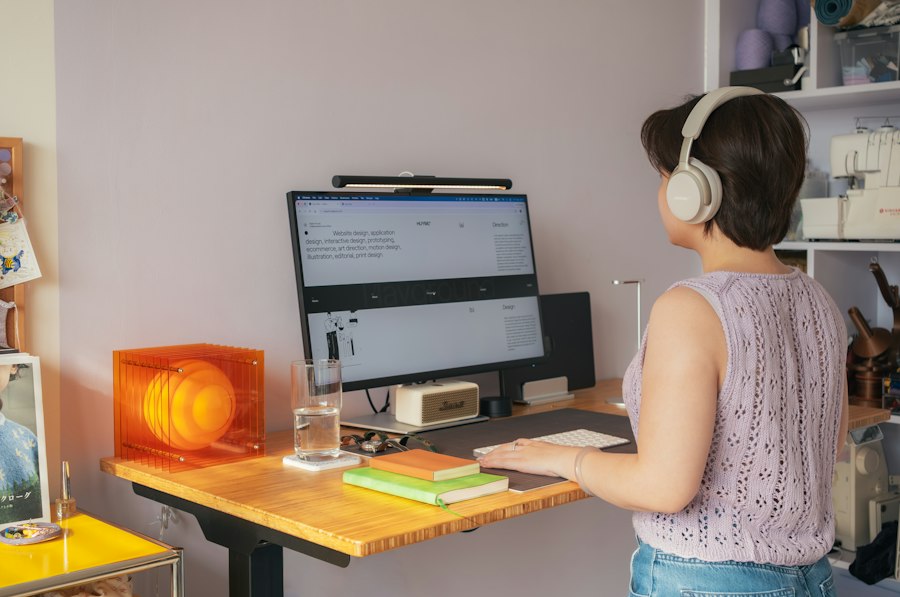
Your brain needs clear signals to differentiate between “work” mode and “rest” mode. A dedicated workspace, no matter how small, is one of the most powerful signals you can give it. This space should be as far away as possible from the rest and entertainment areas of your home. Ideally, a separate room would be perfect, but if that's not possible, a corner of a room with a desk and ergonomic chair may suffice. The key is that it is a place where you only carry out work activities. Avoid working from your bed or couch, as this can confuse your brain and make it difficult to concentrate during work or relax during rest. Keep this space tidy and free of distractions.
1.3. Incorporates Microbreaks and Active Breaks
It is a common mistake to think that working non-stop is synonymous with productivity. In fact, the opposite is true. The human brain is not designed to maintain concentration for long periods of time. Incorporating microbreaks of 5 to 10 minutes every hour to hour and a half is crucial to recharging. Get up, stretch your legs, look out the window, drink a glass of water. Additionally, take longer breaks, such as lunchtime, to completely disconnect from work. Use this time to go outside, prepare a nutritious meal, or do something you enjoy that is not related to your work. These breaks are not a luxury, but a necessity to maintain energy, creativity and productivity throughout the day.
2. Optimize Remote Communication and Collaboration
Communication is the oxygen of any work team, and in teleworking, its importance is magnified. The absence of casual interactions in the hallway or at the coffee machine requires a conscious and strategic effort to keep communication channels open and efficient. Effective remote collaboration is the cornerstone of success in distributed environments.
2.1. Choose the Right Tools and Establish Protocols
Technology is your best ally in teleworking. Video calling platforms (Zoom, Google Meet, Microsoft Teams), project management tools (Asana, Trello, Jira) and instant messaging systems (Slack, Teams) are essential. However, having many tools without a clear protocol can lead to chaos. Define with your team which tool will be used for each type of communication: video calls for important meetings, chat for quick questions, email for formal or extensive communications. It is crucial that all team members are familiar with these tools and use them consistently. Additionally, set expectations about response times. Is an immediate response expected in the chat? Can it take a few hours to respond to an email? Clarity in these protocols reduces anxiety and improves efficiency.
2.2. Promotes Active and Proactive Communication
In teleworking, communication should not only be reactive; must be proactive. Don't wait to be asked to share progress, challenges or ideas. Regularly update your colleagues and superiors on the progress of your tasks, even if they haven't asked you to. This not only demonstrates your commitment, but also avoids misunderstandings and bottlenecks. Encourage your team to do the same. Regular meetings, although brief, are essential to keep everyone on the same page and foster a sense of team. Consider implementing daily 15-minute check-ins at the start of the day to align goals and challenges.
23. Prioritize Virtual “Face to Face” Interactions
While messaging and email are convenient, nothing replaces the richness of a face-to-face conversation. Video calling allows you to see facial expressions and body language, adding a layer of understanding and connection that written communication cannot offer. Use video calls for important meetings, to discuss complex or sensitive topics, and for social interactions that build team spirit. Schedule regular video calls not only to discuss work, but also to maintain human contact, such as “virtual coffees” or informal meetings. This helps combat isolation, build relationships, and maintain team cohesion.
3. Manage your Time with Effective Strategies

Time management is an art that becomes even more crucial when teleworking. Without the physical structure of the office, it is easy to fall into the trap of procrastination or, conversely, of working overtime without realizing it. Mastering time management techniques will allow you to be more productive while protecting your personal time.
3.1. Prioritize Tasks with Proven Techniques
Not all tasks have the same importance or urgency. Learning to prioritize is essential. Techniques such as the Eisenhower Matrix (urgent/important) or the MoSCoW method (Must have, Should have, Could have, Won't have) will help you identify which tasks require your immediate attention and which can be postponed. At the beginning of each day, take a few minutes to plan your tasks and establish your top three priorities. Focusing on these “key” tasks before tackling the others will ensure significant progress on your most important goals. Avoid multitasking as, contrary to popular belief, it reduces efficiency and increases stress.
3.2. Use the Pomodoro Technique
The Pomodoro Technique is a simple but incredibly effective tool for improving focus and productivity. It consists of dividing work time into 25-minute blocks, called "pomodoros", separated by short 5-minute breaks. After four pomodoros, a longer break of 15-30 minutes is taken. This technique helps maintain focus, prevents mental fatigue, and effectively manages distractions. The timer acts as a reminder to stay focused during the pomodoro and to completely unplug during breaks. By training your brain to work intensely for short periods and then rest, you will notice a significant improvement in your ability to concentrate.
3.3. Schedule Time Blocks for Specific Activities
In addition to your general work schedule, it is beneficial to schedule specific blocks of time for different types of activities. For example, dedicate a block of time in the morning to tasks that require high concentration, when your mental energy is highest. Reserve another block for meetings, and another for answering emails or calls. Avoid “inbox mode,” where you constantly check and respond to emails as they arrive. Instead, set aside two or three specific blocks of time each day to manage your inbox. This strategy allows you to control your time instead of time controlling you, minimizing interruptions and maximizing focus on important tasks.
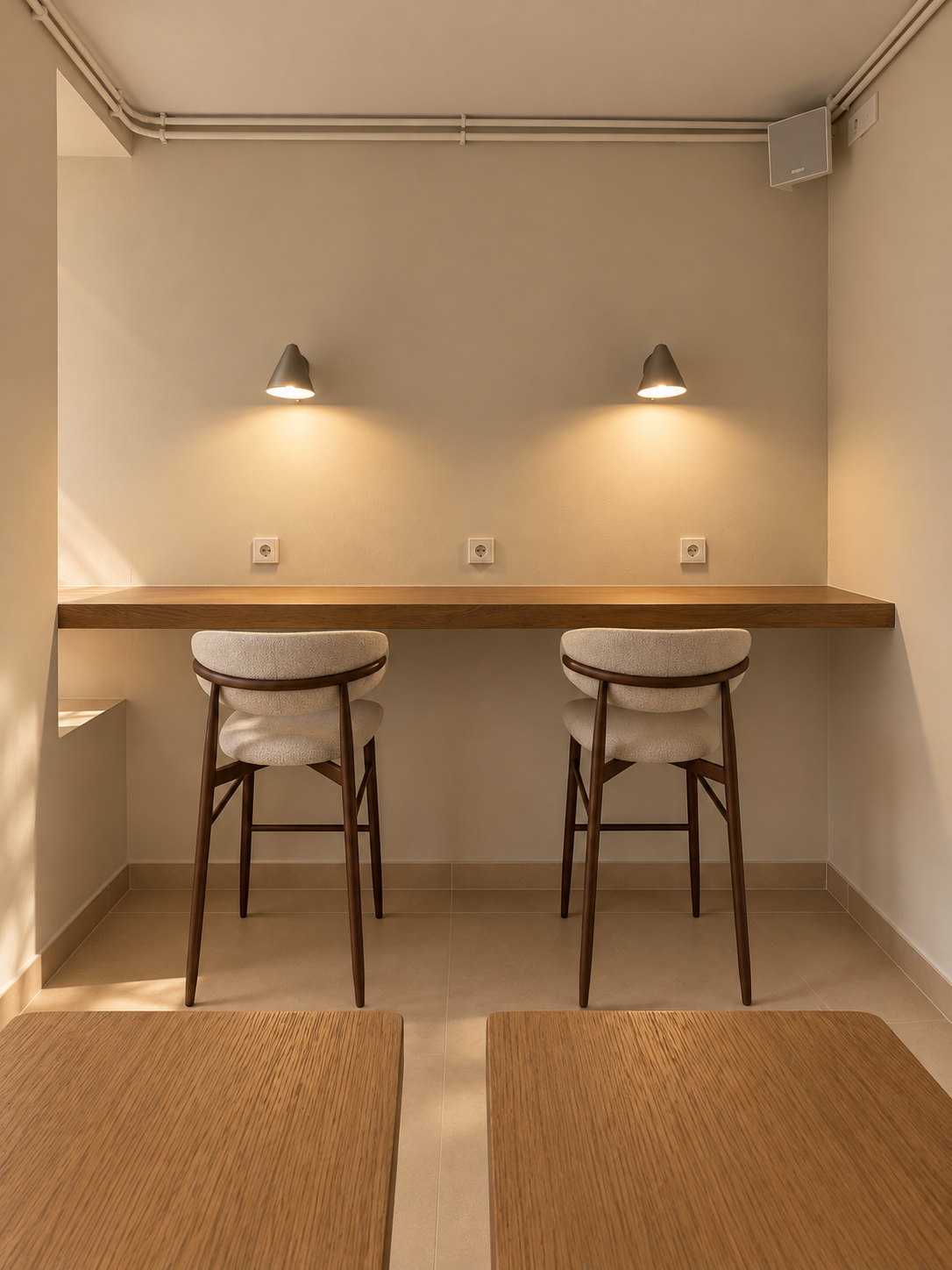
In the city, there are many spaces to cowork that offer a collaborative environment. It is important to choose a place cowork that suits your needs. The benefits of working in a space cowork include the opportunity to network.
4. Prioritize Physical and Mental Well-being
Teleworking, if not managed properly, can lead to burnout, sedentary lifestyle and isolation. Prioritizing your physical and mental well-being is as important as your work performance. A healthy and balanced person is a more productive and happy person.
4.1. Maintain an Active Lifestyle
Sedentary lifestyle is one of the biggest dangers of teleworking. Lack of commuting and the comfort of home can lead to spending too many hours sitting. It is crucial to integrate physical activity into your daily routine. You don't need to go to the gym every day (although that would be ideal). You can start with short walks during your breaks, stretching in your workspace, or even short exercise routines at home. Exposure to natural light is also important; If possible, work near a window and go outside during your break. Physical activity not only improves your cardiovascular health, it also releases endorphins, which reduce stress and improve mood and mental clarity.
4.2. Conscious Nutrition and Hydration
With the refrigerator just steps away, it's easy to be tempted to snack on unhealthy foods. Food plays a fundamental role in your energy, concentration and mood. Plan your meals in advance and make sure you eat a balanced diet rich in fruits, vegetables, lean proteins and whole grains. Avoid refined sugars and processed foods, which can cause energy spikes and crashes. Hydration is also key: always keep a bottle of water near your desk and drink regularly throughout the day. Dehydration, even mild, can negatively affect concentration and cause headaches.
4.3. Cultivate your Mental and Social Health
Teleworking can be lonely. It is essential to combat isolation by actively seeking social connection. Schedule informal video calls with colleagues, friends and family. Participate in social activities or interest groups outside of work. Practice mindfulness or meditation to reduce stress and improve mental clarity. Dedicate time to your hobbies and personal interests. If you feel that stress or anxiety is taking over you, do not hesitate to seek professional support. Taking care of your mental health is an investment in your overall well-being and your ability to function effectively both at work and in your personal life.
5. Promotes Flexibility and Responsible Autonomy
The world of teleworking is constantly evolving, with new tools, methodologies and best practices continually emerging. Staying up to date with the latest technologies and trends will not only improve your efficiency, but will also position you as a valuable and adaptable collaborator. Attend webinars, read specialized articles, participate in online communities of professionals who telework. Learning new ways to collaborate, manage your time or stay connected can make a big difference. Additionally, don't hesitate to try new tools or approaches in your own workflow and share your findings with your team, thus contributing to the continuous improvement of teleworking for everyone.
6. Invest in your Work Environment
A suitable work environment is not a luxury, but a necessity for productivity, health and well-being when teleworking. Investing in your space and the right tools can completely transform your remote work experience, directly impacting your focus, comfort, and ultimately your work-life balance.
6.1. Ergonomics for Postural Health
An ergonomic office chair is perhaps the most important investment you can make. Spending hours sitting in an inappropriate chair can cause back, neck and shoulder pain, which affects not only your productivity but also your quality of life. Do your research and choose a chair that offers good lumbar support, adjustable height, and armrests. Likewise, a desk at the correct height and a monitor raised to eye level are essential for maintaining healthy posture. Consider using an ergonomic keyboard and mouse to prevent repetitive strain injuries. Small adjustments to your posture and workstation setup can prevent long-term health problems and improve your daily comfort.
6.2. Lighting and Pleasant Atmosphere
Lighting plays a crucial role in your well-being and productivity. Natural light is ideal, so try positioning your desk near a window. If this is not possible, invest in a good desk lamp that provides bright white light, avoiding glare on your screen. A pleasant environment also includes a comfortable temperature, good ventilation and noise reduction. Consider using noise-canceling headphones if you work in a noisy environment. Small details such as a plant, an inspiring photo or a scented candle can make your workspace more pleasant and stimulating, contributing to a positive mood and greater concentration.
6.3. Reliable Internet Connection and Technological Equipment
Nothing is more frustrating when teleworking than a slow or unstable Internet connection. Make sure you have a high-speed connection and a powerful router that covers your workspace well. If necessary, consider a Wi-Fi extender or wired Ethernet connection to ensure maximum reliability. Additionally, your computer must be powerful enough to handle your tasks without slowdowns. A second monitor can significantly increase your productivity, allowing you to have multiple applications open and visible simultaneously. Invest in a good quality webcam and microphone for clear, professional video calls. Robust technological equipment reduces stress and allows you to focus on your work instead of dealing with technical problems.
7. Develop Self-Discipline and Distraction Management
Self-discipline is the teleworker's superpower. Without the direct supervision of a boss or the office structure, the responsibility falls entirely on you. Learning to manage distractions and stay focused is vital for productivity and preventing work from spilling over into your personal time.
7.1. Identify and Eliminate Your Main Distractions
The first step to managing distractions is to identify them. Is it your mobile phone? Social networks? Housework? Members of your family? Once you know your biggest “time thieves,” you can implement strategies to eliminate or minimize them. Put your phone on “do not disturb” mode or in another room. Use website or app blockers during your work hours. Communicate your work hours to your family and ask them to respect your space and time. Small adjustments to your environment and habits can have a big impact on your ability to concentrate.
7.2. Set Clear Daily Goals
Before you start your day, take a few minutes to set 2-3 main goals for the day. These goals must be specific and achievable. Write them down and keep them in sight. This practice gives you a sense of direction and helps you maintain focus. When you feel distracted or overwhelmed, you can refer to your daily goals to redirect your attention. At the end of the day, review if you have achieved your goals. This little ritual of planning and review reinforces self-discipline and gives you a sense of accomplishment, which is very motivating.
7.3. Learn to Say “No” (to Tasks and Interruptions)
Part of self-discipline is learning to protect your time and focus. This means learning to say “no” to new tasks that don't align with your priorities, or to interruptions that can wait. If a colleague asks you something that will divert you from an important task, you can respond: "I'm focused on X right now, can we discuss this at 3 PM?" Likewise, if household distractions are a problem, you need to communicate this firmly but kindly. Protecting your blocks of focused work time is essential for productivity and to prevent tasks from extending beyond your work hours.
8. Embrace Digital Disconnection
"Hyperconnectivity" is one of the biggest dangers of teleworking. The line between work and personal life is blurred, and the temptation to “take one last look” at the email or reply to a message after hours is constant. Digital disconnection is not a luxury, but a necessity for your mental health, your well-being and your ability to recharge.
8.1. Establish a Disconnection Ritual
Just as you have a ritual to start the work day, create one to end it. This could be closing all work-related tabs and programs, turning off the screen, getting up from your desk, or even changing your clothes. The goal is to create a clear signal to your brain that the workday is over. When leaving your workspace, mentally leave it “behind.” Avoid taking your laptop to bed or the couch to “take a last look.” This ritual helps your mind transition from “work” mode to “personal life” mode.
8.2. Silence After Hours Notifications
Constant notifications of emails, messages, or project updates can keep you mentally tied to work long after you've finished your day. Set your devices to silence all work-related notifications outside of your working hours. If possible, use a separate phone for work or turn off work apps on your personal phone during off hours. Communicate to your colleagues and clients that your availability is within a specific schedule so that they do not expect immediate responses outside that period.
8.3. Spend Time on Non-Screen Activities
One of the best ways to disconnect digitally is to immerse yourself in activities that don't involve screens. Read a physical book, go for a walk, cook, do a hobby, spend quality time with your family or friends without the distraction of devices. These activities not only help you recharge, but they also stimulate different parts of your brain, encouraging creativity and reducing stress. Digital disconnection is not only a matter of “not working,” but of “reconnecting” with other facets of your life and with the real world.
9. Develop Self-Management and Personal Leadership Skills
In teleworking, you are your own manager. This means that self-management and personal leadership are crucial skills. Being able to motivate yourself, organize your work, and take initiative without constant supervision is what will allow you to thrive and advance in your career, while maintaining a healthy balance.
9.1. Be Proactive in Problem Solving
When you work remotely, you don't always have a colleague by your side to ask a quick question or a manager to give you a solution. This requires you to develop a proactive problem-solving mindset. Before escalating a problem, try to find solutions on your own. Do your research, consult internal resources, or seek advice from other colleagues. Document your steps and the solutions you have tried. When you finally need to ask for help, present the problem along with what you've already done to try to solve it. This proactivity demonstrates initiative, maturity and autonomy, qualities highly valued in any work environment.
9.2. Seek Learning and Development Opportunities
Teleworking can offer more flexibility for self-directed learning. Take this opportunity to develop new skills, stay up to date with trends in your industry, or even explore areas of interest that could benefit your career. There are a vast amount of online resources, from MOOCs to webinars and books. Dedicate regular time each week to professional development. Not only will it make you more competent in your current role, but it will also open doors to new opportunities and keep you motivated and engaged in your professional growth.
9.3. Promote your Network of Contacts (Networking)
Isolation is a real risk in teleworking. It is easy to lose contact with colleagues and professionals in your sector. It is crucial to actively foster your network of contacts, both inside and outside your company. Participate in informal video calls with colleagues, join LinkedIn groups, attend virtual industry events. Networking not only provides you with support and opportunities for collaboration, but it also combats feelings of loneliness, keeps you connected to the professional community, and can be an invaluable source of learning and new perspectives.
10. Constantly Evaluate and Adjust Your Strategy
Teleworking is not a one-size-fits-all formula. What works for one person may not work for another, and what works today may not work tomorrow. The key to continuous improvement and effective work-life balance is constant self-evaluation and a willingness to adjust your strategy as necessary.
10.1. Reflect on your Productivity and Well-being
Take time at the end of each week (or month) to reflect on how things went. Were you productive? Did you feel stressed? Were you able to disconnect? Were your boundaries respected? Keep a teleworking diary or just do a mental check-in. Identify what worked well and what challenges you faced. This self-assessment will allow you to detect patterns and better understand your own needs and work rhythms. It's a process of continuous learning about yourself and how you interact with your remote work environment.
10.2. Adapt your Routines According to Experience
Based on your reflection, don't be afraid to adjust your routines and strategies. If you find that you need more breaks, add them. If a specific schedule doesn't work, modify it. If certain tools are not effective, look for alternatives. Flexibility is one of the greatest advantages of teleworking, and applying it to your own management is essential. Try different time management techniques, experiment with different setups of your workspace, or adjust your communication times with the team. Iteration and adaptation are key to finding what really works for you.
10.3. Seek Feedback and Share your Best Practices
You are not alone in this. Talk to your colleagues about their teleworking and work-life balance strategies. Ask them what works for them and what challenges they face. Share your own experiences and best practices. Learning from each other is incredibly valuable. Additionally, if your company allows it, seek feedback from your manager about your teleworking performance. Their perspective can offer you valuable insights to improve. A collaborative approach to optimizing teleworking benefits everyone and creates a culture of continuous improvement and mutual support.
Work at your pace
FAQs
What is teleworking?
Teleworking is a work modality that allows employees to perform their tasks from a place other than the office, generally from their home, using technological tools to maintain communication with the company.
What are the benefits of teleworking?
Some benefits of teleworking include greater flexibility in work schedules, saving time and money on travel, better work-life balance, and in many cases, greater productivity.
How can teleworking be reconciled with personal life?
To reconcile teleworking with personal life, it is important to establish clear boundaries between work and free time, create an adequate workspace at home, establish defined schedules and communicate effectively with the work team.
What challenges can teleworking present in terms of work-life balance?
Some challenges of teleworking in terms of work-life balance may include difficulty disconnecting from work when being at home, the lack of separation between work and personal life, and the feeling of always being available.
What measures can companies take to promote work-life balance when teleworking?
Companies can promote work-life balance when teleworking by establishing clear scheduling and rest time policies, encouraging effective communication between work teams, and providing support and resources so that employees can balance their work and personal lives in a healthy way.