
10 Ideas to Enhance Collaboration between Entrepreneurs in Coworking
Fostering Synergy and Mutual Growth
Coworking has transcended the mere provision of a physical space; has transformed into a vibrant ecosystem where interaction and collaboration are the engine of success. For entrepreneurs, a coworking environment is not just a shared office, but an invaluable opportunity to connect, learn and grow. However, spontaneous collaboration is not always enough. It is essential to implement active strategies that encourage these interactions and transform them into productive synergies. From structured events to creating digital communities, the possibilities are endless to maximize collaborative potential. By enhancing collaboration, entrepreneurs not only expand their networks and access new perspectives, but they can also identify joint business opportunities, share resources, and overcome challenges more efficiently. The key is to cultivate an environment where each member feels part of something larger, where their individual success contributes to the collective success of the space.
The Intrinsic Value of Collaboration in Coworking
Collaboration in a coworking space goes beyond a simple exchange of cards. It represents the fusion of diverse ideas, talents and experiences that, when intertwined, can generate innovative solutions and exponential growth. An entrepreneur may lack certain skills or knowledge, but by collaborating with another, they can make up for those deficiencies and strengthen their project. This is particularly true in the early stages of a business, where resources are often limited and the need for multifaceted support is crucial. Additionally, collaboration fosters a sense of community and belonging, reducing the sense of isolation that solopreneurs often experience. This mutual support not only translates into business benefits, but also emotional and mental well-being, crucial for business resilience.
Overcoming Common Barriers to Interaction
Despite the obvious benefits, collaboration doesn't always come naturally. Common barriers include shyness, lack of time, perceived competition, or simply not knowing how to start a meaningful conversation. This is where coworking space management plays a crucial role, implementing initiatives that break down these barriers and create an environment conducive to interaction. This could include everything from organizing informal events to creating digital platforms that facilitate connection. Intentionality in the design of these interactions is key; It is not just about bringing people together, but about creating the right context so that they feel comfortable sharing and seeking opportunities for collaboration. Trust, transparency and mutual respect are fundamental pillars to build a robust collaborative culture.
Proactive Strategies to Connect Entrepreneurs
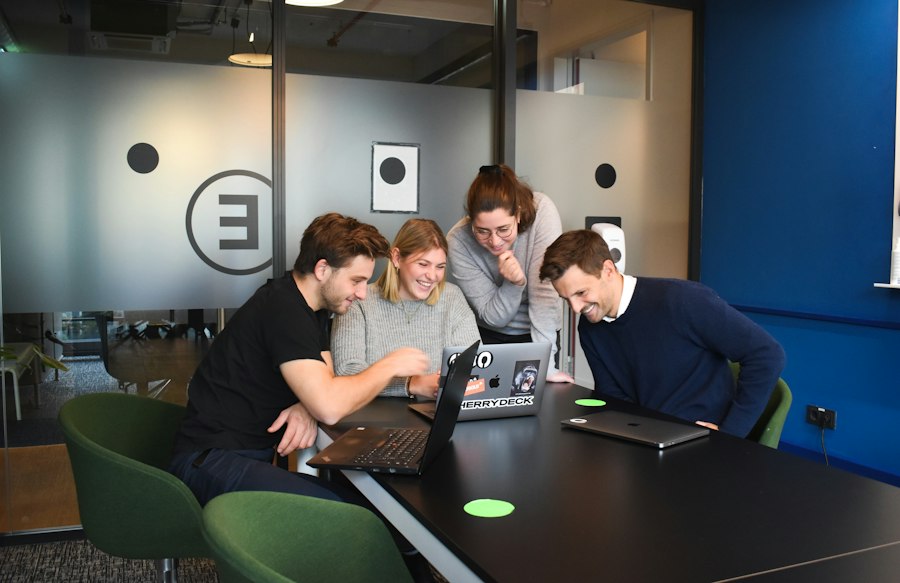
For collaboration to flourish, it is imperative to go beyond the mere existence of a shared space. Proactive and well-thought-out strategies are needed to act as catalysts for interaction and alliance formation. These strategies must be varied, addressing different communication styles and needs of entrepreneurs. From encouraging chance encounters to structuring mentoring programs, each initiative contributes to weaving a stronger, more cohesive network. Diversifying connection methods ensures that all members, regardless of personality or type of business, find a comfortable and effective way to interact with their peers.
1. Weekly “Coffee and Connection” Sessions
Hosting informal coffee sessions once a week is a great way to encourage casual interaction. These gatherings can be as simple as providing coffee and pastries in a common area at a set time. The key is regularity and informality. Without a rigid agenda, entrepreneurs feel more comfortable reaching out and engaging in conversations. Small icebreakers, such as asking each person to share a “victory of the week” or “current challenge,” can be introduced to organically start conversations. This relaxed atmosphere allows connections to form naturally, laying the foundation for future collaborations. The focus should be on relationship building, not selling or forced networking, which often intimidates some.
2. Collaborative Problem Solving Workshops
Instead of traditional workshops that impart knowledge in a one-way manner, workshops can be organized where entrepreneurs bring a specific problem or challenge of their business. Small multidisciplinary groups are formed to address and propose creative solutions. This format encourages active collaboration, lateral thinking, and experience sharing. Each member of the group brings their unique perspective, often leading to innovative solutions that a single entrepreneur might not have considered. Additionally, this type of workshop builds a strong connection between participants, as they have worked together on a specific challenge. They could be topics like “marketing strategies for startups,” “optimizing internal processes,” or “product development.”
3. Cross Mentoring Program or “Buddy System”
Implement a program where more experienced entrepreneurs (mentors) are paired with those who are just starting out (mentees) or a “buddy” system where entrepreneurs with complementary skills are paired. This program can be formalized with regular meetings and clear objectives. Mentoring not only provides invaluable guidance to new entrepreneurs, but also offers mentors the opportunity to reflect on their own path and consolidate their experience. The "buddy system", on the other hand, facilitates collaboration on specific projects or mutual support on a day-to-day basis. For example, an entrepreneur with digital marketing skills could partner with one with product development experience for a knowledge exchange.
Creating Channels and Spaces for Constant Interaction

The physical and digital infrastructure of coworking plays a crucial role in promoting collaboration. It's not just about having desks and chairs, but about designing spaces that invite interaction and providing tools that facilitate communication. Intentionality in the design of these channels and spaces can make a big difference in the frequency and quality of collaborative interactions. From well-designed common areas to online communication platforms, each element contributes to creating an ecosystem where collaboration is an intrinsic part of the experience.
4. Internal Community Digital Platform
Create an exclusive online platform for coworking members, where they can introduce themselves, share projects, request help, offer services and publish events. This platform can be a Slack group, a private forum, or a specific app. A discussion forum can be ideal for entrepreneurs to ask specific questions and receive responses from the community, or to share relevant news from their respective fields. An “offer and ask” channel can be particularly useful for members to offer or search for internal services. This digital tool extends collaboration beyond office hours and allows for broader, asynchronous communication.
5. Flexible and Versatile Collaboration Zones
Design the physical space with areas specifically dedicated to collaboration, beyond formal meeting rooms. This can include lounges with whiteboards, high-top tables for quick stand-up meetings, areas with comfortable sofas for informal discussions, or even “idea labs” with creative tools. The key is the flexibility and versatility of these spaces, which adapt to different types of interactions. These areas should be welcoming and encourage spontaneity. For example, a whiteboard wall can invite entrepreneurs to write down an idea or problem, inviting others to contribute.
6. “Show & Tell” Events or Project Demonstrations
Organize regular events where entrepreneurs can present their projects, products or services to the community. These “Show & Tell” sessions not only give you the opportunity to practice your presentations and receive valuable feedback, but they also inform others about what you are doing. This can inspire new collaborations by identifying needs or synergies. For example, a software developer might discover that their app is the perfect solution to a marketing consultant's problem. These events can be informal, with space for questions and networking afterwards.
He coworking It is an excellent option for those looking for a flexible workspace. Many people find in coworking an opportunity to connect with other professionals. The community of coworking encourages collaboration and the exchange of ideas.
Encouraging and Recognizing Successful Collaboration
Collaboration should be seen as an investment in collective growth and, as such, should be encouraged and recognized. When entrepreneurs see that collaboration is valued and generates tangible results, they will feel more motivated to actively participate. Recognition not only validates the efforts of those who collaborate, but also serves as a role model for other members of the community, fostering a culture of mutual support and teamwork.
7. Featured Collaborative Success Stories
Collect and disseminate the success stories that emerged from collaboration between coworking members. This can be done through internal newsletters, social media posts, or even panels in the space itself. Highlighting how two or more entrepreneurs came together to create something new, solve a problem, or achieve a joint goal inspires others and demonstrates the real value of collaboration. For example, present a success story where a graphic designer and a web developer teamed up to launch a successful startup, detailing the mutual benefits of their partnership.
8. Challenges or Internal Contests with Prizes
Organize thematic challenges or contests where teams made up of entrepreneurs from different areas compete to solve a specific problem or develop a new idea. Prizes can be coworking resources, specialized advice or visibility. These challenges can be, for example, "how to innovate in sector X" or "create a sustainable product prototype." This not only encourages creativity and teamwork under pressure, but can also lead to the development of joint projects that last beyond the competition. Healthy competition can be a powerful catalyst for collaboration and innovation.
Measurement and Continuous Improvement of the Collaborative Experience
<?xml encoding=»UTF-8″>
| Metric | Description | Average Value | Unit of Measurement |
|---|---|---|---|
| Collaborative projects started | Number of projects that arise between entrepreneurs in coworking spaces | 3.5 | Projects per quarter |
| Networking events held | Number of events organized to encourage collaboration | 8 | Events per month |
| Percentage of entrepreneurs who collaborate | Proportion of users actively participating in collaborations | 65 | % |
| Average weekly collaboration hours | Time dedicated to joint activities between entrepreneurs | 6 | Hours per week |
| Increase in income from collaboration | Percentage increase in revenue attributable to collaborations | 20 | % |
| Expanded network of contacts | Average number of new contacts obtained thanks to coworking | 15 | Contacts per entrepreneur per month |
To ensure that collaborative initiatives are effective and resonate with community needs, a process of continuous measurement and improvement is essential. Actively listening to members, evaluating the impact of implemented strategies, and being willing to adapt approaches are critical steps to building a collaborative ecosystem that evolves and thrives over time. Constant feedback is the fuel to refine and optimize collaboration strategies.
9. Satisfaction Surveys and Periodic Feedback
Conduct periodic surveys among members to evaluate their level of satisfaction with collaboration opportunities and collect suggestions for improvement. Questions like “Have you collaborated with any members recently?”, “What initiatives have you found most useful?” or “What type of collaboration would you like to see more of?” can provide valuable data. Direct feedback from entrepreneurs is the best source of information to understand what works and what doesn't. These surveys can be anonymous to encourage honesty and can be conducted quarterly to capture trends and measure progress.
10. Community Ambassadors and Connection Nodes
Identify proactive, well-connected members who can act as “community ambassadors” or “connection nodes.” Your role would be to welcome new members, introduce them to others, identify possible synergies and facilitate interactions. These ambassadors may be formally recognized or simply be people who enjoy connecting others. Your active presence and enthusiasm can be contagious, inspiring others to participate more. It is important that these ambassadors understand the vision and values of coworking so that they can represent them effectively. They can be key to integrating new members and keeping the pulse of the community.
Work at your pace
FAQs
What is a coworking space?
A coworking space is a shared workspace where entrepreneurs, freelancers, and independent professionals can work together in a collaborative environment.
What are the benefits of collaboration between entrepreneurs in a coworking space?
Collaboration between entrepreneurs in a coworking space allows the exchange of ideas, networking, access to shared resources and the possibility of working in a motivating and creative environment.
How is collaboration between entrepreneurs encouraged in a coworking space?
Collaboration between entrepreneurs in a coworking space is encouraged through events, workshops, networking sessions, common work areas and the creation of an active and participatory community.
What type of entrepreneurs can benefit from collaboration in a coworking space?
All types of entrepreneurs, from startups and freelancers to independent professionals, can benefit from collaboration in a coworking space, as it gives them the opportunity to connect with other entrepreneurs, learn from their experiences and enhance their projects.
How can you find coworking spaces to collaborate with other entrepreneurs?
To find coworking spaces where you can collaborate with other entrepreneurs, you can search online, ask in professional networks, visit entrepreneurship events or go to specialized coworking platforms that make it easy to find shared work spaces.