Hello everyone! I am Alexia Cook, founder of Contempo, and I bring you a very special invitation. If you are one of those who appreciate good coffee, the kind that awakens your senses and gives you a moment of pure pleasure, then you know what I'm talking about. At Contempo, we don't just serve coffee, we create experiences. We have taken care of every detail so that every cup you try is a work of art. From the selection of the most exquisite beans, roasted to perfection, to the skill of our baristas, who transform each bean into an exceptional drink.
I know that many of you value the quality, origin, and passion behind a product. That's why I'm excited to invite you to visit our shop in the Salamanca District of Madrid. We want you to discover for yourselves what true specialty coffee means. Forget about the usual coffees and dare to try something different, something that will surprise you. Our baristas, true coffee artists, will be delighted to guide you through our selection, explain the tasting notes, and prepare the perfect drink for you. So, what are you waiting for? I await you at Contempo to share the magic of coffee with you. It will be a pleasure to see you!
1. What is a Barista? Much More than a Coffee Maker
In the vibrant world of gastronomy and, in particular, in the universe of coffee, the term «barista» has gained increasing relevance. Far from being a simple drink maker, a barista is an artisan, an expert, and, in many ways, an ambassador of coffee culture. The word «barista» comes from Italian and literally means «bartender» or «barman». However, in the modern era, its meaning has specialized to designate a person who is an expert in preparing coffee, especially espresso-based drinks. This role goes far beyond simply operating a machine; it involves a deep knowledge of the entire process, from bean to cup, and an exceptional ability to execute techniques that transform coffee into a sensory experience.
The Evolution of the Barista's Role
Originally, in Italy, the barista was the person who served all kinds of drinks in a bar, including coffee, alcoholic beverages, and soft drinks. With the proliferation of specialty coffee shops and the growing appreciation for high-quality coffee globally, the term evolved to focus exclusively on coffee expertise. This specialization began to take shape in the late 20th century, driven by movements such as specialty coffee and the third wave of coffee, which emphasize bean quality, origin, roasting, and artisanal preparation.
Nowadays, a professional barista is a coffee enthusiast dedicated to mastering every aspect of its preparation. Not only do they know how to make a perfect espresso or a latte with beautiful art, but they understand the chemistry behind extraction, the botany of the bean, and the importance of freshness and quality. They are the guardians of flavor and the creators of unique moments for every customer who crosses the threshold of a specialty coffee shop.
2. Mastery of the Espresso Machine and the Science of Extraction
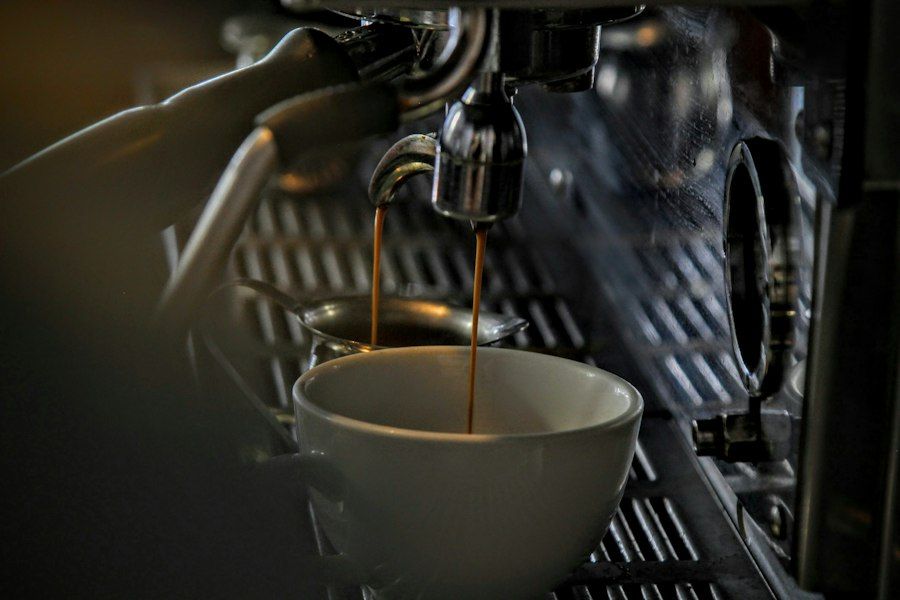
The heart of a barista's work lies in their ability to master the espresso machine, a complex piece of engineering that, in expert hands, is capable of producing a concentrated and aromatic beverage that serves as the base for an infinite number of preparations. Espresso, often underestimated, is one of the most difficult drinks to prepare to perfection, as it requires a precise balance of multiple variables.
Constant Calibration and Adjustment
An experienced barista knows that the espresso machine is not a «plug and play» device. It requires constant calibration. This includes adjusting the grinder to obtain the correct particle size (the «grind setting»), which can vary even throughout the day due to environmental factors such as humidity. A grind that is too coarse will result in insufficient extraction (under-extracted), with weak and sour coffee; a grind that is too fine will result in excessive extraction (over-extracted), with bitter and astringent coffee.
In addition to the grind, the barista must control the coffee dose, the tamping pressure (tamping), the water temperature of the machine, and the extraction time. Each of these elements interacts to create the perfect espresso: a drink with a dense, hazelnut-colored crema, a full body, and a balanced flavor profile, with sweet, acidic, and bitter notes in harmony. A barista's ability to diagnose and correct extraction problems is a sign of true mastery.
The Chemistry Behind the Cup
Beyond mechanical operation, a barista understands the chemistry that occurs during extraction. They know that hot water under pressure extracts soluble compounds from ground coffee, including oils, sugars, acids, and polyphenols. The interaction of these compounds is what defines the flavor, aroma, and texture of the espresso. A good barista doesn't just look for a recipe, but understands why that recipe works, adapting to different bean origins, roasts, and freshness to highlight their best characteristics. It is this deep knowledge that allows them to experiment and create unique flavor profiles, transforming a simple drink into a culinary experience.
3. The Art of Milk and Latte Art
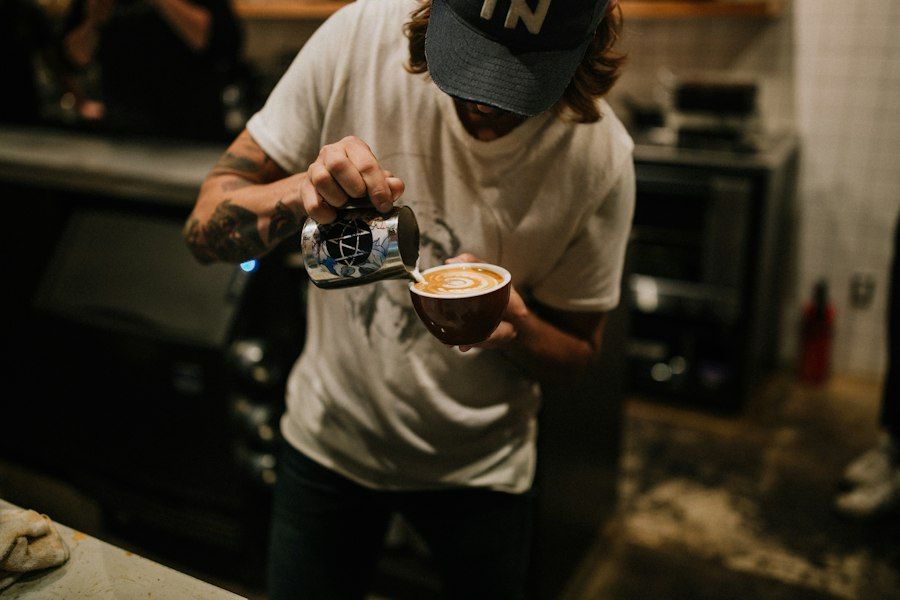
A distinctive and visually striking part of a barista's job is their mastery of milk, especially when it comes to creating drinks like lattes, cappuccinos, and macchiatos. Milk is not just an accompaniment; when textured correctly, it becomes a fundamental ingredient that complements and enhances the flavor of the espresso.
Perfect Milk Texturing
The key to an exceptional milk drink lies in the technique of steaming the milk. This goes beyond simply heating it. An expert barista seeks to create what is known as «microfoam»: silky, shiny, and sweet milk, without large bubbles. To achieve this, the espresso machine's steam wand is used to introduce air into the milk in a controlled manner, creating a velvety texture. Temperature is crucial; the milk must be heated enough to develop its natural sweetness (due to the caramelization of lactose), but not so much that it burns and develops unpleasant flavors.
The process involves three phases: aeration (introducing air), integration (mixing the air to eliminate large bubbles), and heating. A skilled barista can judge the exact state of the milk by the sound emitted by the steam wand and by the feel of the pitcher to the touch. The result is milk that blends perfectly with the espresso, creating a harmony of flavors and a creamy mouthfeel.
The Magic of Latte Art
Latte art is the icing on the cake in the preparation of milk beverages. It is the skill of pouring textured milk in such a way that aesthetic patterns are created on the surface of the coffee. From classic hearts and rosettas to more complex designs like tulips and swans, latte art is a form of artistic expression that demonstrates the barista's skill and care.
Beyond its visual appeal, latte art is an indicator of the quality of the textured milk. Only perfect microfoam and a precise pouring technique can produce these designs. For the customer, a latte with a beautiful design is not only a treat for the eyes, but also suggests that the barista has put extra effort and passion into preparing their drink, elevating the overall experience. It is the culmination of technique, precision, and creativity, transforming a drink into a small, ephemeral work of art.
In Madrid, you can enjoy a Barrio Salamanca specialty cafeteria (Montesa Street) that offers a unique experience. This place is perfect for coffee lovers looking for exceptional quality and flavor. In addition, the cozy atmosphere invites you to relax while enjoying your favorite drink.
4. Deep Knowledge of the Coffee Bean: Origin, Roast, and Flavor Profile
What truly elevates a barista from a simple coffee maker to a true expert is their deep knowledge of the coffee bean itself. To them, coffee is not just a uniform raw material; it is a complex agricultural product, with a vast diversity of origins, varieties, processing methods, and flavor profiles. This knowledge is fundamental to being able to extract the maximum potential from each bean.
The Geography of Coffee
A specialty barista knows the geography of coffee like the back of their hand. They know that an Ethiopia Yirgacheffe coffee will have floral and citrus notes, while a Brazil Cerrado coffee will offer nutty and chocolate flavors. They understand that climate, altitude, soil type, and processing method (washed, natural, honey) drastically influence a coffee's flavor profile.
- Origen: Each coffee-producing region has its own distinctive characteristics. For example, coffees from Central America are usually clean and bright, with medium acidity; those from South America, sweeter and more chocolaty; those from Africa, often fruity and floral.
- Botanical Variety: Caturra, Bourbon, Geisha, Typica… each variety of the coffee plant (primarily Coffea Arabica) has its own inherent qualities that the barista must know to anticipate its flavor profile and how it will interact with extraction.
- Processing: The bean processing method (how the cherry is removed from the bean) has a huge impact. Washed processing tends to produce cleaner and brighter coffees, while natural processing often results in sweeter, full-bodied coffees with intense fruity notes.
The Art of Roasting
Roasting is a critical step that transforms the green coffee bean into the aromatic brown bean we know. A barista not only appreciates the roast, but often understands roasting philosophies and how they influence the final drink. A light roast can highlight acidity and fruity and floral notes, while a dark roast can accentuate body and chocolate and nutty flavors, often at the expense of acidity and more delicate notes.
A barista knows how the degree of roast will affect the solubility of the coffee and, therefore, how they will need to adjust the grind and extraction recipe to achieve the best flavor. They can identify if a coffee is under-roasted or over-roasted simply by its aroma or taste, and adapt their technique to compensate for or highlight certain characteristics.
Cupping and Flavor Profile
The ability to cup (taste) coffee is an essential skill for a barista. This involves the ability to identify and describe the different flavors, aromas, and textures present in a cup. They use flavor wheels and standardized descriptors to communicate the characteristics of a coffee, from fruity notes (berries, citrus), floral (jasmine, rose), to nutty (almond, hazelnut), chocolate (dark, milk), and spices (cinnamon, cardamom).
This knowledge allows them not only to choose the right beans for their clientele, but also to educate consumers about the complexities of coffee. They can recommend a specific coffee based on a customer's flavor preferences or explain why a coffee tastes a certain way. This deep understanding of the bean is what allows the barista to be a true curator of coffee, offering a rich and personalized experience.
5. Customer Service and Coffee Education
| Metric | Description | Example |
|---|---|---|
| Definition | Professional specialized in the preparation and service of espresso coffee and other coffee-based beverages. | Barista in a coffee shop preparing a cappuccino. |
| Key skills | Knowledge of coffee types, extraction techniques, milk texturing, and customer service. | Preparing an espresso with perfect crema and frothed milk. |
| Training time | Varies between 1 to 6 months depending on the level and specialization. | 3-month basic barista course. |
| Tools used | Espresso machine, grinder, tamper, milk pitcher, thermometer. | Use of La Marzocco machine for extraction. |
| Main functions | Preparing drinks, maintaining cleanliness, managing inventory, and providing customer service. | Taking orders and preparing latte art. |
| Importance | Guarantees coffee quality and customer experience in coffee shops. | Increase in customer satisfaction and loyalty. |
A barista is not only a technical expert, but also an ambassador of coffee culture. Their role extends to customer service and education, transforming every interaction into an opportunity to share their passion and knowledge. In a specialty coffee shop, the barista is often the first and only point of contact between the customer and the complex world of coffee.
Hospitality at the Bar
Customer service is as important as the quality of the coffee. An exceptional barista is welcoming, attentive, and efficient. They understand that, for many, visiting a coffee shop is a moment of pause, pleasure, or social connection. Therefore, a positive attitude, the ability to listen, and a willingness to help are invaluable qualities.
- Active Listening: A good barista knows how to ask the right questions to understand the customer's preferences, whether they are looking for a full-bodied coffee or a lighter one, with sweet or acidic notes.
- Personalization: Remembering customers' regular orders and customizing their drinks creates a memorable experience and fosters loyalty.
- Clear Communication: Explaining wait times, ingredients, or special offers concisely and politely is essential.
The Educational Role of the Barista
One of a barista's most significant contributions is their ability to educate customers about specialty coffee. Many consumers are still accustomed to a generic approach to coffee, and the barista has the opportunity to open up a world of flavors and knowledge to them.
- Explaining Origins and Flavor Profiles: When a customer asks about a coffee, the barista can explain the origin of the bean, the expected tasting notes, and how the brewing method influences the flavor.
- Demystifying Terminology: Concepts like «acidity», «body», «crema», or «light roast» can be confusing for the uninitiated. The barista can explain these terms in an accessible way, enriching the customer's understanding.
- Personalized Recommendations: Based on a customer's preferences (whether they like strong, sweet, fruity coffee, etc.), the barista can make personalized recommendations, guiding them through the menu and helping them discover new flavors.
- Home Suggestions: Some baristas also offer tips on how to brew better coffee at home, what equipment to use, or how to store beans, fostering a deeper appreciation for coffee beyond the coffee shop.
By educating customers, the barista not only improves the individual experience, but also contributes to raising the standard of coffee appreciation in general, fostering a community of informed enthusiasts. They are true popularizers of coffee culture.
6. The Importance of Hygiene and Equipment Maintenance
Beyond technical skills and bean knowledge, a fundamental, yet often overlooked, aspect of a barista's job is their commitment to hygiene and meticulous equipment maintenance. A specialty coffee can be ruined if prepared with dirty or poorly maintained equipment, and food safety is paramount in any food and beverage establishment.
Daily and Routine Cleaning
Coffee equipment, especially espresso machines and grinders, accumulates coffee residue and oils that, if not cleaned regularly, can go rancid and negatively affect the taste of the beverages. A professional barista dedicates time each day to essential cleaning tasks:
- Espresso Machine Group Heads: The group heads where the portafilter is inserted must be thoroughly cleaned to remove coffee residue. This often involves the use of specific cleaning products and brushes to ensure no particles remain that could affect the flavor.
- Portafilters and Baskets: They must be washed after each use and undergo a deep cleaning at the end of the day to remove oils and residue.
- Steam Wand: The steam wand is a potential source of contamination if not cleaned immediately after frothing milk. Milk residue burns and solidifies, affecting not only hygiene, but also the performance of the wand and the taste of the milk. A barista always purges and wipes the steam wand after each use.
- Grinders: Grinders accumulate ground coffee that can go rancid. Regular cleaning of the burrs (grinding mechanism) is crucial to ensure a consistent grind and fresh flavor.
- Work Surfaces: Keeping the bar and preparation areas clean and sanitized is a basic hygiene standard in any food and beverage establishment.
Preventive Maintenance and Troubleshooting
A barista not only cleans the equipment, but also performs basic preventive maintenance and is able to identify minor issues before they become major failures.
- Replacing Seals and Gaskets: Espresso machine group head gaskets and portafilter seals wear out over time. A barista knows when it is necessary to replace them to maintain proper extraction pressure and prevent leaks.
- Descaling: Limescale buildup in the espresso machine's system can affect water heating and pressure. Baristas are aware of descaling schedules and their importance.
- Grinder Adjustment: Beyond daily calibration, a barista can detect if the grinder is not grinding evenly or if the burrs are worn out, indicating the need for service or replacement.
- Detection of Water Issues: Water is 98% of coffee. A barista understands the importance of water filtration and can notice if the water quality has changed, which could affect the taste of the coffee and the lifespan of the equipment.
Diligence in hygiene and equipment maintenance not only guarantees better-tasting coffee and a longer lifespan for the machinery, but also demonstrates a professional commitment to quality and food safety, essential aspects that differentiate a good barista from an exceptional one.
7. The Constant Pursuit of Perfection and Professional Development
The world of specialty coffee is constantly evolving, with new techniques, beans, brewing methods, and knowledge emerging regularly. Therefore, a professional barista never stops learning. The constant pursuit of perfection and professional development are hallmarks of a true coffee expert.
Continuing Education and Updating
Education does not end after initial training. Dedicated baristas actively seek opportunities to expand their knowledge and skills:
- Workshops and Courses: They participate in advanced workshops on extraction, roasting, tasting (cupping), or latte art, often offered by renowned roasters or coffee associations.
- Certifications: Obtaining certifications from recognized organizations such as the Specialty Coffee Association (SCA) validates their skills and knowledge internationally. These certifications cover areas such as Barista Skills, Coffee Tasting, Green Beans, and Roasting.
- Reading and Study: They stay up to date by reading books, trade magazines, and blogs about the latest trends, research, and developments in the coffee industry.
- Origin Trips: Some baristas have the opportunity to visit coffee farms in producing countries, which gives them a firsthand understanding of the process, from seed to cup, and a deeper appreciation for the work of coffee growers.
Participation in Competitions
Barista competitions are a platform for professionals to demonstrate their skills, test new techniques, and learn from their peers. Events like the World Barista Championship (World Barista Championship) are highly competitive and demand exceptional precision, creativity, and knowledge.
- Skill Development: Participating in competitions pushes baristas to refine their techniques, master extraction and latte art, and present coffee in the best possible way.
- Innovation: Competitions are a breeding ground for innovation, where baristas experiment with new approaches in preparation and presentation.
- Networking: They are an excellent opportunity to connect with other coffee professionals, roasters, producers, and suppliers, expanding their network and knowledge.
Experimentation and Curiosity
A passionate barista is inherently curious. They constantly experiment with different beans, extraction recipes, water temperatures, and milk steaming techniques. This curiosity allows them to discover new flavors, improve the quality of their beverages, and offer unique experiences to their customers. They never settle for «good enough», always looking for the next level of excellence.
The pursuit of perfection is a continuous journey for the barista. It is this dedication to constant improvement, combined with their passion for coffee, that allows them not only to stay relevant in a changing industry, but also to drive innovation and elevate coffee quality for everyone.