Hello everyone! I'm Alexia Cook, and if there's one thing I'm as passionate about as hospitality at Contempo, it's good coffee. And when I say “good coffee,” I mean specialty coffee. It is a true obsession, a constant search for perfection in every bean, in every sip. I have dedicated years to understanding it, to testing it, to selecting the best ones for you.
And precisely for that reason, I want to share with all of you what exactly this fascinating world of specialty coffee is. It's not just a drink, it's an experience, an art, a science. It is the result of exceptional care at every stage, from seed to cup.
At Contempo, in the heart of the Salamanca neighborhood, we not only offer you a cozy space and impeccable service. We invite you to immerse yourself in this sensory adventure with us. We have a selection of specialty coffees that I promise will change your perspective. Whether you prefer a vibrant espresso, a flat white silky or a filter that reveals nuances that you never imagined, we are here to guide you.
So, after reading this, I'll wait for you at Contempo. Come to chat, relax and, above all, enjoy a coffee that will not only wake you up, but will delight your soul. I promise you it will be worth it!
- What is specialty coffee? Beyond a simple drink
- The grain journey: From seed to perfect cup
- Why is specialty coffee different? The pillars of its quality
- The art of brewing: Extracting the magic from each grain
- Your experience at Contempo: Discover specialty coffee in the Salamanca neighborhood
1. What is specialty coffee? Beyond a simple drink
Specialty coffee, a term that has gained enormous traction in recent years, is not simply a type of coffee. It is a philosophy, a quality standard, a promise of excellence that covers the entire value chain, from the origin of the seed to the final cup that reaches your hands. To fully understand it, we must break it down and explore the multiple layers that define it and distinguish it from more common coffee offerings. It is not just about a pleasant taste, but about an exceptional history, effort and dedication.
The concept of "specialty coffee" was first coined in 1974 by Erna Knutsen in an article in the magazine Tea & Coffee Trade Journal. She referred to coffees that had “unique flavors” and were the result of ideal geographical and climatic conditions. Since then, the industry has evolved enormously, establishing rigorous parameters to define what qualifies as specialty coffee.
The SCA Standard: A Seal of Excellence
The Specialty Coffee Association (SCA) is the world's leading organization that sets standards and protocols for specialty coffee. Their influence is crucial to ensuring quality and consistency in the industry. The SCA has developed a classification and evaluation system that is the cornerstone of this market segment.
The Q Grader Score
One of the most distinctive aspects of specialty coffee is its sensory evaluation system. Green coffee beans are put through a rigorous cupping process by certified tasters known as “Q Graders.” These highly trained professionals evaluate coffee using a 100-point scale. For a coffee to be classified as specialty, it must obtain a score equal to or greater than 80 points.
This evaluation is not subjective. Q Graders evaluate ten different coffee attributes, each on a 10-point scale:
- Fragrance/Aroma: The quality and intensity of the coffee smells both dry and after adding hot water.
- Flavor: The main taste perception of coffee.
- Aftertaste: The flavors that linger after you swallow the coffee.
- Acidity: The bright, lively quality of coffee, similar to that of a citrus fruit.
- Body: The tactile sensation of coffee in the mouth, its weight and texture.
- Balance: The harmony between the different attributes of coffee.
- Sweetness: The presence of natural sugars in coffee.
- Uniformity: The consistency of flavor between different cups prepared from the same sample.
- Clean Cup: The absence of defects or unpleasant flavors.
- Defects: The presence of negative flavors or aromas that devalue the quality.
A coffee that achieves a score of 80-84.99 is considered “Very Good”, 85-89.99 “Excellent” and 90-100 “Outstanding”. This standardized methodology ensures that the “specialty” designation is not arbitrary, but rather the result of an objective and expert evaluation.
Traceability and transparency: Knowing the origin
Another fundamental element of specialty coffee is its traceability. Unlike commercial coffee, where beans from various sources are often blended without much information about their origin, specialty coffee prides itself on knowing and disclosing every detail of its journey.
This includes:
- Country and region of origin: Specialty coffees are often highlighted by their provenance, revealing the country, region, and even the specific micro-region where the beans come from.
- Finca or cooperative: In many cases, coffee can be traced back to a particular farm or producer cooperative, allowing consumers to get to know the people behind the crop.
- Botanical variety: The variety of the coffee plant is specified (e.g. Typica, Geisha, Caturra, Bourbon, Pacamara), each with its own genetic characteristics that influence the flavor profile.
- Altitude: The altitude at which coffee is grown has a significant impact on its density and, therefore, its flavor. High altitude coffees usually mature more slowly, developing more complex flavors.
- Benefit process: The grain processing method (washed, natural, honey) is crucial to the final flavor profile.
This transparency is not only informative, but also fosters a deeper connection between consumer and producer. It allows you to appreciate the effort and specific conditions that give rise to the unique flavor profiles of each coffee.
2. The grain journey: From seed to perfect cup
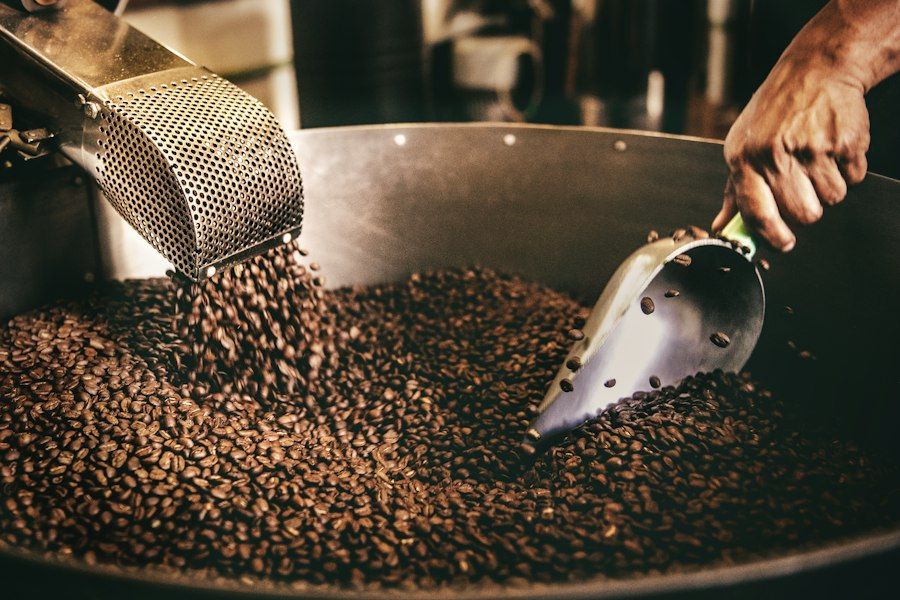
Specialty coffee is not born by chance; It is the result of a meticulous process that begins long before the bean reaches your cup. Each stage of the coffee journey, from plant cultivation to final preparation, is infused with care and attention to detail that is essential to achieving excellence. Understanding this journey helps us appreciate the complexity and value of each sip.
The crop: The art of coffee growing
It all begins on the farm, where the specialty coffee growers are true artisans of the land. It's not just about planting a coffee tree, it's about creating the ideal environment for it to grow and produce the highest quality coffee cherries.
Selection of variety and terroir
Choosing the botanical variety is the critical first step. Certain varieties are known for producing exceptional flavors, although they are often more difficult to grow or have lower yields. Specialty coffee growers choose varieties that are well suited to their “terroir” – the unique combination of soil, climate, altitude and topography that influences the character of the coffee. Specialty farms are usually located in regions with specific microclimatic conditions that favor the slow ripening of cherries, allowing the development of complex sugars and acids.
Agronomic management and sustainable practices
Agronomic management is exhaustive:
- Shade and nutrition: Many specialty coffees are grown under shade, which protects the plants from direct sun, allows for slower ripening, and encourages biodiversity. The soil is enriched with organic nutrients, avoiding excessive use of chemicals.
- Pruning and care: The plants are carefully pruned to maximize the production of healthy cherries and ensure good air circulation.
- Selective harvest: Unlike mechanical harvesting, which plucks all the cherries at once (green, ripe and overripe), in specialty coffee the harvest is manual and selective. Pickers only choose cherries that have reached their optimal point of ripeness, ensuring that all processed beans have maximum flavor potential. This is laborious and expensive work, but absolutely crucial for quality.
Grain processing: Revealing the potential
Once harvested, the cherries must be processed to extract the coffee beans. This step is as important as cultivation, as it drastically influences the final flavor profile. There are several processing methods, and choosing one or another depends on the region, access to water, traditions, and the desired flavor profile.
Washing Process (Wet Process)
It is the most common method for high quality and specialty coffees. It implies:
- Pulped: Ripe cherries are passed through a machine that removes the skin and part of the pulp, leaving the kernel covered with a mucilaginous layer (mucilage).
- Fermentation: The beans are soaked in tanks of water or allowed to dry ferment for a period of 12 to 72 hours. This process breaks down mucilage, but also develops complex acids and flavors. The duration of fermentation is critical and must be carefully controlled to avoid undesirable flavors.
- Washing: After fermentation, the beans are washed thoroughly to remove any remaining mucilage.
- Drying: Finally, the beans are dried in the sun on patios or on raised beds (known as "African beds") or in controlled mechanical dryers until an optimal humidity level is reached (around 10-12%). This uniform drying is vital to prevent mold growth and the development of musty flavors.
Washed coffee tends to have brighter acidity, a cleaner body, and more defined, citrus flavors.
Proceso Natural (Dry Process)
This is the oldest method and is commonly used in water-scarce regions, such as Ethiopia or some parts of Brazil.
- Drying the whole cherry: Freshly harvested coffee cherries are spread out in the sun on patios or raised beds and left to dry whole, with the skin and pulp intact. They are turned regularly to ensure uniform drying and prevent excessive fermentation or mold.
- Peeled: Once the cherries are completely dried and resemble raisins, the dried skin and pulp are mechanically removed to reveal the green kernel.
Naturally processed coffees tend to be sweeter, with a heavier body and pronounced fruity or berry notes, because sugars from the pulp are transferred to the bean during drying.
Honey Process (Pulped Natural)
A hybrid between washed and natural, the process honey has become very popular for its ability to offer distinctive flavor profiles.
- Pulped: The cherries are pulped, as in the washed process, but some (or most) of the mucilage is left attached to the grain.
- Drying: The grains with the mucilage attached are dried in the sun. The amount of mucilage left and the drying time will influence the final profile.
The cafes honey They have a notable sweetness, often with a medium body and balanced acidity, with notes that can remind us of nuts or honey, hence their name.
Roasting: Transformation and art
Once the green beans have been processed and dried, they travel to the roasting plant. Roasting is, without a doubt, one of the most delicate and crucial stages, where the flavor potential of the bean is unlocked or ruined.
- The Artisan Toaster: A specialty coffee roaster is an expert who understands the chemistry and physics behind this process. It's not just about heating the beans, but precisely controlling temperature, airflow and time to develop desired flavors.
- Roasting Profiles: Each specialty coffee has an ideal roast profile that highlights its unique characteristics. This means there is no “one size fits all” roast. Some coffees benefit from a lighter roast to bring out their acidity and floral or citrus notes, while others may require a medium roast to develop full body and chocolate or nutty notes. Dark roasts are rare in specialty coffee, as they tend to dull the distinctive flavors of the bean.
- Quality control: During and after roasting, cuppings and tests are performed to ensure that the desired flavor profile has been achieved and that there are no defects.
Grinding and preparation: The final stage in your hands
Even after all the effort in growing, processing and roasting, the quality of the final cup depends largely on the last steps: grinding and brewing.
- Grinding: The grind size should be appropriate for the brewing method. A grind that is too fine can result in bitter, over-extracted coffee, while a grind that is too coarse will result in watered-down, under-extracted coffee.
- Agua: Water is 98% of your cup of coffee, so its quality is essential. Filtered water with balanced mineralization is ideal.
- Preparation method: Whether it's espresso, pour-over, French press, Aeropress or siphon, each method requires precision in water temperature, coffee to water ratio and contact time. In specialty coffee, these parameters are meticulously controlled to extract the most optimal and complex flavors.
3. Why is specialty coffee different? The pillars of its quality
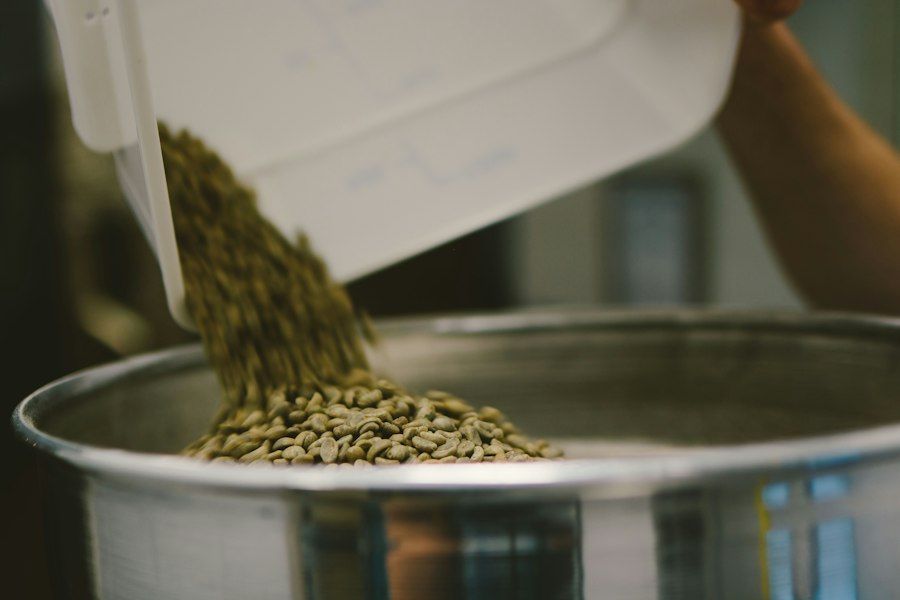
The difference between a specialty coffee and a standard commercial coffee is not merely a matter of price; It is a gap in philosophy, intrinsic quality and sensory experience. Several fundamental pillars underpin the superiority of specialty coffee, creating a beverage that is complex, nuanced and deeply satisfying.
Quality control at every stage
The most defining aspect of specialty coffee is the relentless quality control that is applied in each phase of its production. Unlike commercial coffee, where efficiency and volume are often priorities, in specialty coffee, quality is the only metric.
From nursery to harvest
- Elite seeds and nurseries: Specialty coffee growers invest in seeds of botanical varieties recognized for their flavor potential, growing them in nurseries with the utmost care to ensure strong, healthy plants.
- Sustainable farm management: Sustainable and environmentally friendly agricultural practices are implemented, including organic fertilization, natural pest control and efficient water use. Not only is this good for the planet, but it also produces healthier, better-tasting coffee cherries.
- Manual and selective harvest: As we mentioned, manually picking only cherries at their optimal point of ripeness is one of the most significant differences. In contrast, commercial coffee is often harvested mechanically, mixing green, ripe and overripe cherries, which introduces inconsistent flavors and defects into the batch.
Rigorous processing and proper storage
- State-of-the-art processing facilities: Farms or cooperatives that produce specialty coffee often have access to modern processing facilities that allow precise control over fermentation and drying, reducing the risk of defects.
- Constant monitoring: During drying, the beans are continually monitored to ensure they reach the correct moisture level without over-drying or developing mold.
- Storage in optimal conditions: Green specialty coffee beans are stored in controlled environments (temperature and humidity) and in jute or GrainPro bags to protect them from humidity, light and foreign odors, preserving their freshness until roasting.
The unique and complex flavor profile
What really sets specialty coffee apart is its spectrum of flavors and aromas. It's not just "coffee," but a symphony of notes that can vary drastically from one origin to another, and even from one farm to another within the same region.
Absence of defects
The high Q Grader score of a specialty coffee guarantees the absence of defects. Flavor defects common in commercial coffee (such as “rubbery,” “earthy,” “mold,” “chemical,” or “burnt” taste) are unacceptable in specialty coffee. Cleanliness of the bowl is a key attribute.
Range of flavors and aromas
Instead of a uniform, generic flavor, specialty coffee offers an incredibly diverse flavor palette. Tasters use a flavor wheel to identify and describe these notes:
- Fruit trees: Citrus fruits (lemon, orange, grapefruit), berries (strawberry, blueberry, raspberry), stone fruits (peach, apricot), tropical fruits (mango, pineapple).
- Florals: Jasmine, rose, orange blossom.
- Chocolates: Cocoa, milk chocolate, dark chocolate.
- Walnuts: Almond, hazelnut, walnut.
- Spicy: Cinnamon, cloves, vanilla, cardamom.
- Caramel/Sugar: Caramel, molasses, honey.
- Herbal: Green tea, fresh herb.
These flavors are not added artificially; They are the natural result of plant genetics, terroir and processing. A good roaster and a good barista are tasked with extracting and enhancing these innate qualities.
Balanced acidity and body
Specialty coffee often exhibits a bright, pleasant acidity, not to be confused with the sour acidity of faulty or poorly brewed coffee. This acidity is a key component of the drink's complexity and freshness. The body, the tactile sensation in the mouth, also varies and contributes to the overall experience, from light and silky to dense and creamy. The balance between all these attributes is what defines an outstanding coffee.
The human factor and fair trade
Behind every cup of specialty coffee is a people story, a commitment to quality, and often a more equitable business model.
The dedication of the coffee farmer
Specialty coffee growers are not just farmers; They are experts in their lands, who invest time, knowledge and passion in each plant. Their work is physically demanding and requires a deep understanding of coffee agronomy. Their dedication is rewarded with higher prices for their grain, allowing them to reinvest in their farms, improve the quality of life for their families and communities, and maintain sustainable practices.
Direct relationships and ethical trade
Many roasters and specialty coffee companies establish direct relationships with producers (Direct Trade). This means they buy the beans directly from the coffee farmers, eliminating middlemen and ensuring that more of the final price reaches the hands of those who grow the coffee. This trade model promotes transparency, trust and sustainable development of coffee-growing communities.
The price paid for specialty coffee is usually significantly higher than the price of commercial coffee. However, this price reflects the true value of the product: the cost of manual labor, rigorous quality control, sustainable practices, and the exceptional quality that sets it apart. By purchasing specialty coffee, you are not only investing in a superior beverage, but also supporting a fairer and more sustainable value chain.
In Madrid, you can enjoy a Barrio Salamanca specialty cafeteria (Montesa Street) that offers a unique experience. The Barrio Salamanca specialty cafeteria (Montesa Street) It is known for its cozy atmosphere and excellent coffee. If you are looking for a place to relax, the Barrio Salamanca specialty cafeteria (Montesa Street) It is an ideal option.
4. The art of preparation: Extracting the magic from each grain
All the effort invested in growing, processing and roasting specialty coffee can be compromised if the final preparation is not executed with the same precision and care. The preparation of specialty coffee is not a mere functional act; It is a form of art and science, where each variable is controlled to extract the maximum flavor potential from the beans. The barista, in this context, is the last critical link in the chain, the alchemist who transforms the grain into a sensory experience.
Grinding: The first critical step
Grinding is one of the most influential factors in the flavor of your coffee. There is no universally “correct” grind size as it crucially depends on the brewing method to be used.
- Uniformity: The most important thing is that the grind is uniform. A burr grinder is essential for specialty coffee, as it produces particles of consistent size, unlike blade grinders that "break up" the coffee unevenly, creating a mixture of fine powders and coarse pieces that are extracted unevenly.
- Size according to method:
- Extra fine (powder): Turkish/Greek coffee.
- Fina: Espresso.
- Media fine: AeroPress, Moka Pot.
- Media: Pour-over (V60, Chemex), siphon.
- Gross: french press, cold brew.
Incorrect grinding can lead to over-extraction (bitterness, astringency) if it is too fine for the method, or under-extraction (watery, acidic, bodyless taste) if it is too coarse.
Water: The forgotten ingredient
Coffee is 98% water, so its quality is as important as that of the beans.
- Pureza: The water must be clean, odorless and free of impurities. Chlorine, sediment, and off-flavors in water can ruin the flavor profile of coffee.
- Mineralization: Moderately mineralized water (with a total hardness of about 50-175 ppm, ideally around 150 ppm) is best. Too many minerals can block flavor extraction, while too few can make coffee taste flat. Distilled or very soft water is also not suitable, as it lacks the minerals necessary to interact with the coffee compounds and extract the flavors.
- Temperature: For most preparation methods (except cold brew), the water should be between 90°C and 96°C (195°F and 205°F). Water that is too cold will not extract flavors efficiently, while boiling water can "burn" the coffee and extract bitter compounds.
The ratio of coffee to water: The magic proportion
The relationship between the amount of coffee and the amount of water is essential to achieve a balanced cup.
- Golden ratio: The Specialty Coffee Association (SCA) suggests a "Golden Ratio" of 1:18 (1 gram of coffee for every 18 grams of water). However, this is a guide. Many specialty baristas prefer ratios ranging from 1:15 to 1:17 for their pour-overs or French presses, depending on the coffee and the desired profile.
- Accurate measurement: For consistency, it is essential to use a digital scale to measure both coffee (in grams) and water (in grams or milliliters, since 1 ml of water weighs approximately 1 gram). The use of measuring spoons is imprecise and not recommended in specialty coffee.
Preparation Methods: A World of Possibilities
Each brewing method highlights different aspects of the coffee, offering a unique experience.
Espresso: The heart of coffee culture
Espresso is the base of many coffee drinks. Requires a high-quality espresso machine and a precise grinder.
- Key parameters:
- Dose: Typically between 18-22 grams of coffee for a double espresso.
- Performance: 36-44 grams of liquid (approximately double the dose).
- Extraction time: 25-30 seconds.
- Pressure: 9 bares.
- Temperature: 90-96°C.
- Features: A well-made espresso has an intense flavor, a dense body, bright acidity, and a hazelnut-colored crema. It is a technical challenge that requires skill and quality equipment.
Pour-over (V60, Chemex, Kalita Wave): Cleanliness and clarity
The methods pour-over They are popular for their ability to produce a clean, bright and aromatic cup that highlights the acidity and nuances of the coffee.
- Operation: Hot water is manually poured over a bed of ground coffee resting on a paper filter in a cone or container. Gravity pushes water through the coffee and filter, extracting flavors and leaving behind sediment.
- Control: Control over pouring speed, pattern and timing is crucial. A gooseneck teapot is often used for precise pouring.
- Time: Depending on the dripper and the recipe, the total extraction usually takes between 2:30 and 4:00 minutes.
French Press: Body and texture
The French press is valued for its ability to produce a full-bodied cup with a rich texture, as the metal mesh filter allows oils and fine coffee particles to pass through.
- Operation: Coarsely ground coffee is completely immersed in hot water. After a brewing time, a plunger with a mesh is slowly depressed to separate the ground coffee from the liquid.
- Immersion time: Generally between 4 and 6 minutes.
- Features: A full-bodied coffee, often with sweeter notes and a heavier mouthfeel.
Aeropress: Versatility and speed
The Aeropress is a versatile, portable device that can produce a wide range of coffee styles, from espresso-like concentrates to lighter cups.
- Operation: Uses air pressure to extract coffee quickly. It can be used inverted or standard.
- Features: It allows great control over immersion time, temperature and pressure, making it very adaptable to different tastes and grains.
The importance of freshness: Roasting and consumption
Freshness is essential in specialty coffee.
- Freshly roasted coffee: The ideal is to consume the coffee between 7 and 30 days after the roasting date. Right after roasting, coffee releases CO2 and needs to “degas” for a few days for the flavors to fully develop. After 3-4 weeks, the coffee begins to lose its volatile oils and, therefore, its complexity.
- Storage: Beans should be stored in an airtight, opaque container in a cool, dark place away from direct sunlight, heat and humidity. It is not recommended to store coffee in the refrigerator or freezer, as it can absorb odors and moisture.
- Grind at the moment: The ideal is to grind the coffee just before preparing it. Ground coffee loses its aromas and flavors very quickly when exposed to air.
Mastering the art of specialty coffee brewing requires practice, attention to detail, and a desire to experiment. At Contempo, our baristas are trained to control all of these variables, ensuring that every cup we serve is a perfect expression of the coffee we have carefully selected.
5. Your experience at Contempo: Discover specialty coffee in the Salamanca neighborhood
| Metric | Description | Typical value |
|---|---|---|
| Definition | High quality coffee with unique characteristics and complete traceability | Rating greater than 80 points on the SCA scale |
| Origen | Sourced from specific farms with sustainable practices | Recognized regions such as Colombia, Ethiopia, Guatemala |
| Cultivation process | Growing at high altitudes and controlled conditions | Altitude between 1200 and 2000 meters above sea level |
| Collection process | Manual harvest selecting only ripe cherries | Selective collection to ensure quality |
| Benefit process | Washing, drying and controlled fermentation to preserve flavors | Drying in the sun or in mechanical dryers with humidity |
| Toasted | Artisanal roasting to highlight flavor profiles | Medium to medium-dark roast |
| flavor profile | Complex and balanced notes, with defined acidity and body | Fruity, floral, citrus, chocolate, nuts |
| Precio | Higher price than commercial coffee due to quality and process | Variable depending on origin and quality, generally higher |
At Contempo, we are not only a hostel and hospitality space in the vibrant Salamanca neighborhood; We are a sanctuary for specialty coffee lovers. As a founder and enthusiast of good coffee, I have poured my passion into creating a corner where you can discover and enjoy the best that the world of coffee has to offer. We want each visit to be an experience, a sensory journey that begins with the aroma and culminates in the last sip.
A space designed for enjoyment
We have designed Contempo thinking about comfort, elegance and the perfect atmosphere to enjoy your coffee. Strategically located in the heart of the Salamanca neighborhood, our location is a refuge where sophistication meets warmth.
- Cozy atmosphere: From the decoration to the lighting, every detail has been carefully selected to create a relaxing and welcoming atmosphere. It is the ideal place to start your day, have an informal meeting, enjoy a quiet afternoon with a book, or simply unwind.
- Privileged location: Being in the Salamanca neighborhood means that we are surrounded by the energy and style of one of the most emblematic districts of Madrid. After a walk through its elegant streets, a coffee at Contempo is the perfect finishing touch.
Our selection of specialty coffee: A journey of flavors
At Contempo, we are proud to offer a carefully curated selection of specialty coffees that rotate regularly. This means there is always something new and exciting to try, inviting you to explore the incredible diversity of the world of coffee.
Grains selected with passion
Personally, I am dedicated to searching and selecting beans from the best origins, working with roasters who share our philosophy of quality and sustainability. We focus on coffees that have achieved high SCA scores, ensuring that every bean that reaches our bar meets the highest standards.
- Diverse origins: You can find coffees from renowned producing regions such as Ethiopia (known for its floral and citrus notes), Colombia (with balanced and fruity profiles), Central America (bright acidity, chocolate and nutty notes), or even from innovative farms in Brazil or Asia.
- Varied flavor profiles: We offer a range that adapts to all palates. From light, fruity coffees with vibrant acidity, perfect for filtering, to full-bodied options with notes of chocolate or caramel, ideal for a robust espresso or milk drink. Our baristas will be happy to guide you through the options and help you find the perfect coffee for your taste.
Expert preparation methods
Our baristas are experts in the art and science of specialty coffee preparation. They have been rigorously trained to understand the particularities of each bean and extract its maximum flavor potential.
- Perfect Espresso: Each espresso is prepared with precision, controlling the grind, dose, extraction time and temperature to achieve a rich, full-bodied drink with an impeccable crema.
- Artisan filters: If you prefer a filtered method, such as V60 or Chemex, our baristas will offer you an experience that enhances the cleanliness, clarity and aromatic nuances of each coffee. Watch how they prepare your coffee meticulously, controlling every pour.
- Milk drinks: For those who enjoy a latte, cappuccino o flat white, our milk is textured to perfection, achieving a silky foam that complements the coffee without overpowering it, and often accompanied by latte art that is a pleasure to behold. We also offer plant milk options.
An experience beyond the cup
At Contempo, we understand that specialty coffee is more than a beverage; It is a story, an art, a community. We want you to feel part of it.
- Conversations and learning: Our baristas are not only coffee makers; They are passionate about the product and eager to share their knowledge. If you have questions about the origin of a coffee, its process or how it is prepared, don't hesitate to ask. We encourage conversations and learning about this fascinating world.
- A meeting point: We want Contempo to be a meeting point for the community of coffee lovers, both for those already initiated and for those just beginning their journey in specialty coffee.
- Commitment to quality: My personal commitment and that of the entire Contempo team is to always offer you the highest quality in every aspect of your visit. From grain selection to service, we strive for excellence.
So, after having immersed you in this tour of the world of specialty coffee, I reiterate my invitation to you. I'll wait for you at Contempo, in the heart of the Salamanca neighborhood. Come live the experience, awaken your senses and enjoy a coffee that will tell you about its origin, its journey and the passion of the people who make it possible. I'm sure you won't regret it! We are waiting for you with an exceptional cup!