
Hello everyone! I'm Alexia, founder of Contempo, and I'm here to demystify a topic I'm passionate about: specialty coffee. Today we are going to talk about something that perhaps many of you have asked yourself at some point: "Am I weird for not liking specialty coffee?" The short answer is no, not at all! And the long answer is what we are going to explore in depth. At Contempo, our mission is to educate, explore and celebrate coffee in all its forms, always with a focus on origin, sustainability and, of course, flavor. So if you've ever felt like the oddball in a coffee shop full of passionate baristas, stay with me. I assure you that at the end of this, you will understand why your preferences are valid and, who knows, you may even discover a new way to enjoy this wonderful drink.
Your Palate is Unique: The Science Behind Our Tastes
Before we dive into the specific reasons, it's crucial to understand one fundamental concept: Each of us has a unique palate. No two people experience flavor in exactly the same way, and this is not a question of “right” or “wrong,” but of pure biology.
Genetics and Flavor Perception
Science has shown that our genetics play a fundamental role in how we perceive flavors. For example, the ability to detect certain bitter compounds varies greatly between individuals. There are “supertasters,” people with a larger number of taste buds who are extremely sensitive to bitter flavors, “average tasters,” and “nontasters.” If you're a supertaster, you'll likely find the inherent bitterness in any coffee, even less bitter specialty ones, much more pronounced and unpleasant than it would be for someone with a lower sensitivity. This is not something you can easily control or change; It is part of your biological makeup. In specialty coffee, although we seek to minimize bitterness and highlight more complex notes such as fruity, floral or chocolatey, there will always be an underlying bitter component that for some palates may be too intense.
Early Experiences and Taste Formation
Our experiences with food and drink since childhood significantly shape our preferences. If you grew up drinking a specific type of coffee, for example, a heavily roasted coffee with milk and sugar, your brain has associated that flavor profile with the idea of "coffee." Specialty coffee, with its more complex and often less familiar flavor profiles – citrus, floral, earthy notes, or even a touch of bright acidity that can remind you of fruit – may not fit that pre-established definition. Our brain tends to prefer what is familiar and what has given us pleasure in the past. Introducing a completely new flavor, especially one that challenges our expectations of what coffee “should taste like,” can generate an initial response of rejection or at least strangeness. It's not that specialty coffee is "bad," but that your palate isn't trained to recognize and appreciate those specific nuances yet.
Psychological Conditioning and Expectations
Marketing, trends and the opinions of others can also influence our perception of taste. Sometimes people feel pressured to "like" specialty coffee because it's what's trendy or because their friends enjoy it. This can create an expectation that, if not met, leads to disappointment or even a belief that something is "wrong" with oneself. Additionally, the terminology we use in the specialty coffee world (tasting notes, bright acidity, silky body) can sound intimidating or elitist to some, creating a psychological barrier before even trying the drink. At Contempo, we believe that coffee should be accessible and enjoyable for everyone, without pressure or judgment. We want you to feel comfortable exploring and discovering what you you really enjoy.
1. You Don't Like Bright Acidity: A Challenge for Untrained Palates
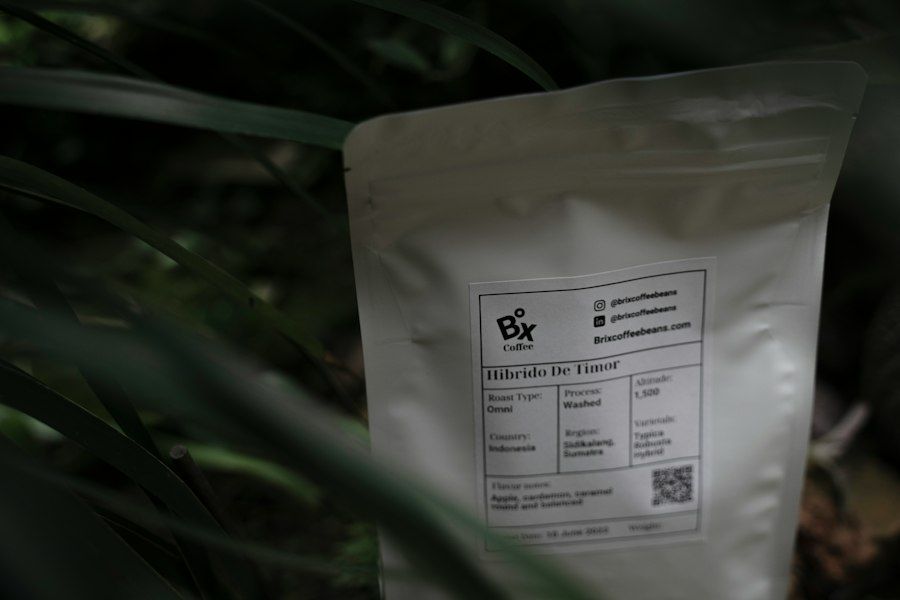
One of the most distinctive and often most polarizing characteristics of specialty coffee is its acidity. But we are not talking about the tart acidity of a spoiled lemon, but rather a "bright", "clean" or "citrus" acidity, similar to that of a green apple, a raspberry or a peach. This acidity is an indication of a high-quality coffee, well grown and correctly processed.
Misunderstandings about Coffee Acidity
For many, the word “heartburn” in relation to coffee conjures up a negative image: the unpleasant stomach feeling or sour taste. This is because most people associate acidity with low-quality industrial coffee, which often has harsh, unpleasant acidity due to defects in the bean or over-roasting. However, in specialty coffee, acidity is a desired attribute, a quality that lends liveliness and complexity to the flavor profile. Think of it like wine: a good white wine often has a characteristic acidity that makes it fresh and vibrant. The same goes for coffee. A well-integrated acidity can highlight other flavor notes and give the coffee a cleaner, more persistent finish.
Preference for Milder and Bitter Flavors
If you're someone who prefers flavors that are milder, rounder, or have a more pronounced bitterness (like dark chocolate or cocoa), it's understandable that the bright acidity of specialty coffee may not be to your taste. Your palate might be accustomed to darker roasted coffees, where the acidity has been toned down and the roasted and chocolatey flavors are more predominant. These coffees, while not specialty in the strict sense, offer a flavor experience that is familiar and comforting to many. It's like preferring milk chocolate to 80% cocoa chocolate: both are delicious, but offer very different taste experiences.
How to Explore Heartburn if You're Open
If you're willing to explore and perhaps acclimate your palate, I suggest starting with specialty coffees that have a milder or sweeter acidity. For example, washed coffees from regions like Brazil typically have lower acidity and chocolatey or nutty notes that can be a good starting point. You can also try brewing your coffee using methods that tend to soften the acidity, such as the French press, or adjusting the water temperature. At Contempo, we are always willing to guide you and recommend options that fit your current preferences.
2. You're Accustomed to the Flavors of Commercial and Dark Coffee
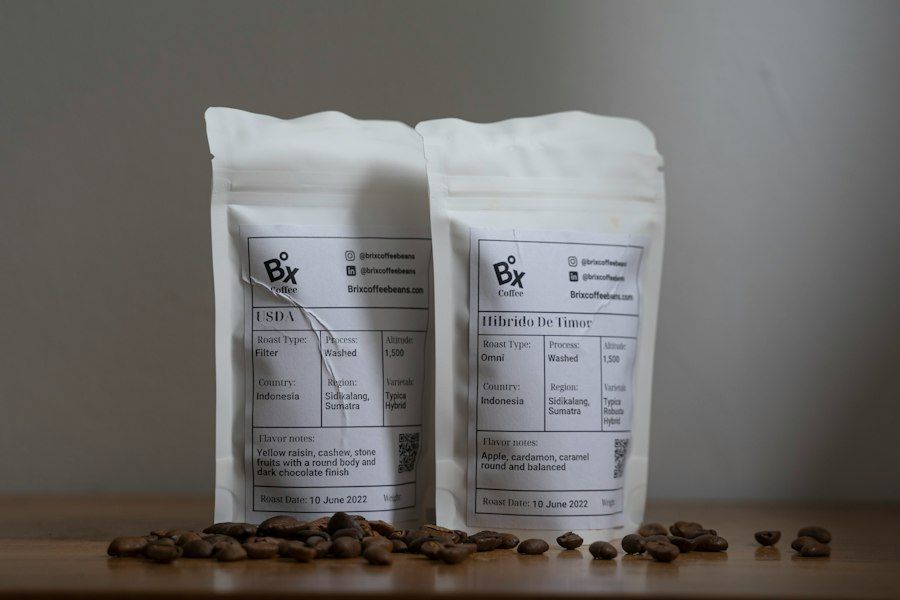
Most of us have grown up with commercial coffee, the one sold in supermarkets, the one served in vending machines or the one that was prepared for us at home without much concern about the origin or the roast. This type of coffee has a very specific flavor profile that, for many, is the very definition of "coffee."
The Flavor Profile of Dark Roast Coffee
Commercial coffee is often roasted at very high temperatures and for long periods, resulting in a dark roast. This process has several purposes: first, it masks the defects of low-quality beans; second, it produces a consistent and generally bitter flavor, which many people associate with the "strength" of coffee; and third, it reduces the natural acidity of the grain. The result is predominant notes of toasted, smoky, dark chocolate or even charcoal. This profile is robust and lends itself well to being combined with milk and sugar, making it very versatile for popular drinks like lattes and cappuccinos. If your benchmark for "good coffee" is a strong, bitter espresso or a highly roasted latte, it's natural that the more delicate and complex profiles of specialty coffee may seem strange or even "weak" to you.
The Note Difference in Specialty Coffee
Specialty coffee is carefully roasted to highlight the inherent characteristics of the bean, seeking a balance between sweetness, acidity and body. This means that the tasting notes can be incredibly diverse: from blueberry and jasmine to caramel, cinnamon or even hints of tomato. If you're not used to looking for these nuances, or if your brain expects the familiar taste of dark coffee, these notes may go unnoticed or, worse yet, be perceived as "weird" or "not coffee-like." It's as if you expect the taste of a well-done steak and are served a delicate carpaccio: both are meat, but the experience is completely different.
The Role of Milk and Sugar
Additionally, dark commercial coffee is often combined with large amounts of milk and sugar to soften its bitterness and create indulgent drinks. If your preferred way of drinking coffee involves these additives, specialty coffee, which is often best enjoyed alone to appreciate its complexities, may not offer the same satisfaction. There is nothing wrong with enjoying coffee with milk and sugar, at Contempo we encourage you to drink it however you like! But it's important to recognize that these additions can mask the subtleties of a specialty coffee, making its distinctive value less obvious to your palate. If you want to try specialty coffee with milk, I suggest starting with a latte or cappuccino made with a good specialty espresso. The quality of the base coffee will make a big difference.
I love starting the day with a Cafe especial that fills me with energy. In the city, there are several places where you can enjoy a Cafe especial quality. I always look for a Cafe especial when I want to relax and enjoy a good time.
3. Your Brain Is Not Trained to Identify Other Flavors
The act of tasting is much more complex than simply "tasting." It requires attention, memory and, in many cases, training. Our brain is incredibly efficient at identifying what it already knows and categorizing new experiences based on the familiar.
The Coffee Tasting Learning Curve
When you first drink specialty coffee, you may only notice a “coffee flavor,” perhaps with a hint of bitterness or acidity. This is completely normal. The ability to identify specific notes like “blueberry,” “milk chocolate,” or “jasmine” is not innate; It is a skill that is developed with practice and exposure. Professional baristas and tasters spend years training their palates to discern these nuances. They learn to associate certain aromas and flavors with previous experiences, building a mental library of references. If you've never consciously tried to identify flavors in your food or drink, it's unlikely you'll automatically do so with specialty coffee. Your brain doesn't have the "software" installed for it yet.
The Lack of a Flavor Vocabulary
Part of palate training involves developing a flavor vocabulary. When we tell you that a coffee has notes of “red fruits” or “spices,” we are giving you clues about what to look for. If you don't have these words in your taste lexicon, the experience can be frustrating. Imagine that they describe a landscape to you with words you don't know; you will not be able to view it. The same goes for the flavor. At Contempo, we like to use the coffee flavor wheel to help people get started. This tool is like a map that guides you through the different categories of flavors you can find.
How to Start Training Your Palate
If you are interested in developing this skill, here are some tips:
- Drink slowly and carefully: Don't rush. Let the coffee cool slightly (flavors are more pronounced at lower temperatures).
- Use your nose: The aroma is 80% of the flavor. Smell the coffee before you try it and while you drink it.
- Compare and contrast: Try two different coffees side by side. Can you notice the differences? One is sweeter? The other one more acidic?
- Look for references: When you taste a fruit or spice, focus on its flavor. Then, when you taste coffee, try to identify if there is anything similar. For example, if a coffee has citrus notes, think about the flavor of an orange or lemon.
- Don't get frustrated: It's a process. At first, you may only notice subtle differences. Over time, your palate will refine. At Contempo, we offer workshops and tasting sessions to help you on this journey. It is an educational and fun experience that opens a world of sensations.
4. Incorrect Preparation Can Ruin the Best Coffee
| Metric | Description | Valor | Interpretation |
|---|---|---|---|
| Percentage of people who do not like specialty coffee | Proportion of consumers who prefer other types of coffee | 15% | Minority, but significant |
| Common reasons for not liking specialty coffee | Reasons expressed by consumers | Bitterness, acidity, price, strong flavor | Personal preferences and flavor sensitivity |
| Average age of those who do not like specialty coffee | Average age of this group | 35 years | Young adults and adults |
| Percentage of consumers who prefer traditional coffee | Proportion that chooses commercial or instant coffee | 40% | Much of the population |
| Social impact of not liking specialty coffee | Social perception of this preference | Baja | It's not strange or negative |
Imagine you have the best ingredients for a gourmet meal, but you cook them incorrectly. The result will not be what you expected, right? The same goes for specialty coffee. An exceptional grain can be ruined by poor preparation.
Key Factors in Coffee Preparation
There are several factors that dramatically influence the final flavor of a cup of coffee, and each of them is crucial in specialty coffee, where we seek to extract the finest and most complex flavors:
- Grinding: The grind must be appropriate for the preparation method. A grind that is too fine for a French press will result in over-extracted and bitter coffee. A grind that is too coarse for espresso will result in under-extracted and watery coffee, lacking body and flavour.
- Water Temperature: The water must be at the correct temperature (generally between 90-96°C). Water that is too cold will not extract flavors properly, while boiling water can burn the coffee and extract bitter and astringent notes.
- Water-Coffee Ratio: The proportion between the amount of coffee and the amount of water is essential. The wrong ratio can make the coffee too weak or too strong, completely unbalancing its flavor profile.
- Contact Time: The time that the water is in contact with the ground coffee is vital. If it is too short, the coffee will be under-extracted; if it is too long, it will be overextracted.
- Water Quality: Even the quality of the water you use matters. Water with a high mineral or chlorine content can significantly affect the flavor of your coffee. At Contempo, we use filtered water to ensure that the water does not interfere with the delicate flavors of our beans.
Common Mistakes in Home Preparation
It is very common to make mistakes when making coffee at home, especially if you do not have the right equipment or knowledge. For example, using an automatic drip coffee maker that doesn't reach the ideal temperature, or using pre-ground coffee (which loses its aromas and flavors quickly), or simply not knowing how to adjust the parameters for different beans. A specialty coffee that is too bitter, too acidic, or tasteless is often the result of poor extraction. In this case, it's not that you don't like specialty coffee, but that you haven't tried a well-prepared version.
The Contempo Experience: Optimized Preparation
At Contempo, coffee preparation is an art and a science. Our baristas are highly trained to extract the best from each bean, using precision equipment and a deep understanding of roast profiles and origin characteristics. We understand that each coffee is unique and requires an individual approach. If you think you don't like specialty coffee, I invite you to visit us. Let our experts prepare a cup for you. You might be surprised at how different it tastes when prepared to perfection.
5. The Price Factor and Value Perception
Specialty coffee is often more expensive than commercial coffee, and this can be a barrier for many. The higher price is justified by the quality of the bean, sustainable practices, fair trade and care in the entire process, from cultivation to cup.
The Specialty Coffee Value Chain
Each step in the production of specialty coffee involves a higher cost:
- High Quality Beans: High-quality Arabica coffee varieties are used, often grown in specific conditions (altitude, climate) that limit production but maximize flavor.
- Sustainable and Ethical Farming: Producers typically employ sustainable, environmentally friendly farming practices, and are paid a fair price, much higher than the market price. commodities. This allows farmers to invest in their farms and improve the quality of life in their communities.
- Careful Processing: Processing (washed, natural, honey) is done with great attention to detail to preserve and enhance the flavors of the bean.
- Expert Roasting: Specialty roasters invest in advanced equipment and training master roasters who know how to extract the maximum potential from each batch.
- Qualified Baristas: Finally, in the coffee shop, baristas are trained professionals who know the extraction methods and equipment needed to brew the perfect cup.
All of this adds up to a higher cost that is reflected in the final price.
The Challenge of Justifying Price with Taste
If you can't perceive the flavor differences or complexities that specialty coffee offers, it's natural that you'll have a hard time justifying its price. If it “tastes like coffee” to you and there is no noticeable difference from cheaper coffee, why pay more? Here we return to the point of trained palate and preparation. If the coffee is not brewed well, or if your palate is not tuned to appreciate its nuances, the additional investment does not seem worth it.
In Contempo: Value and Experience
At Contempo, we understand this perception. Therefore, we not only sell coffee; We offer an educational experience. We want you to understand because our coffee is special. We talk to you about the origin, the producer, the process. We invite you to try and compare. Our goal is not only for you to like coffee, but for you to value all the work and passion behind each bean. We believe that when you understand the history and craftsmanship, the perceived value of coffee increases exponentially, even if your palate is still in the process of discovery. At the end of the day, investing in specialty coffee is investing in quality, sustainability, and a richer sensory experience.
6. Expectations Versus Reality: Too Much Hype?
In the age of social media and the rise of coffee culture, it can sometimes seem like specialty coffee is "the only right way" to drink coffee. This pressure or “hype” can generate unrealistic expectations that, if not met, lead to disappointment.
The Effect of Marketing and Subculture
Specialty coffee has become a subculture, with its own slang, its rituals and its "gurus." This can be inspiring to some, but intimidating to others. Images of perfectly poured coffees, poetic descriptions of tasting notes and apparent exclusivity can create a bubble in which, if you don't feel part of it or understand its codes, you feel alien. If you approach specialty coffee with the expectation that each cup is going to be a divine revelation or a life-changing explosion of flavors, you could be disappointed. The reality is that, like any food or drink, specialty coffee has a range of profiles, and you won't like all of them.
The Social Pressure to “Like” what is Trending
Many of us have felt pressured to "like" something because it's what's trendy or what people "know." In the coffee world, this sometimes translates into the feeling that if you don't enjoy a specialty coffee with Ethiopian floral notes, you are somehow "out of touch" or don't have a "good palate." This is a mistake. Taste is subjective, and your genuine enjoyment is the only thing that matters. There is no universal “good palate” rating that you must meet.
Discovering Your Own Path in Contempo
At Contempo, we strive to create an inclusive and judgment-free environment. We don't want you to feel pressured to like something you don't like. Our goal is to help you explore and find tu ideal coffee, whatever it may be. If you like coffee with milk and lots of sugar, great! If you prefer an intense espresso, too! If you feel like trying a single-origin coffee with notes of cherry, we will gladly offer it to you and guide you through the experience. We believe that “hype” should translate into quality and real enjoyment, not an unattainable expectation. So come, without prejudice, and let yourself be carried away by curiosity.
7. There Is No One “Specialty Coffee”: Diversity is Key
Perhaps the biggest mistake in saying "I don't like specialty coffee" is the assumption that specialty coffee is a monolithic entity with a single flavor profile. Nothing could be further from the truth! The world of specialty coffee is vast and diverse, with a range of flavors as wide as the world of wine.
Origin, Variety and Process: The Three Big Variables
The differences in specialty coffee come from a multitude of factors:
- Origen: A coffee grown in Ethiopia will have a very different flavor profile than one grown in Colombia or Brazil. Weather conditions, altitude, and soil composition dramatically affect flavor.
- Ethiopia: Frequently with floral (jasmine), citrus (lemon, bergamot) and fruity (blueberry) notes.
- Colombia: Typically with notes of stone fruits (peach), caramel, chocolate and a bright but balanced acidity.
- Brazil: Generally with a fuller body, low acidity and notes of nuttiness, chocolate and caramel.
- Kenya: Vibrant acidity, silky body and notes of black currant, tomato and citrus.
- Central America (Guatemala, Costa Rica, Honduras): Clean and sweet profiles, with notes of chocolate, nuts, fruits and sometimes florals, with balanced acidity.
- Variety: Just as there are different varieties of wine grapes, there are different varieties of coffee plants (Arabica, Geisha, Bourbon, Typica, Caturra, etc.). Each one has its own flavor characteristics. The Geisha variety, for example, is famous for its floral and tea notes, while the Bourbon usually offers sweetness and chocolate notes.
- Process: The way coffee cherries are processed after harvest greatly influences the final profile:
- Washed (or Wet): The beans are washed to remove the pulp before being dried. This tends to produce cleaner, brighter coffees with pronounced acidity.
- Natural (Dry): Whole cherries are dried in the sun. This often results in full-bodied coffees with intense sweetness and fruity or fermented notes.
- Honey (or Honey): Some of the pulp is left in the grain during drying. This creates a balance between the two, with sweetness, body and a softer acidity.
Did you try a Coffee, Not All Coffees
Chances are good that if you say you don't like specialty coffee, it's because you've tried one or two types that just weren't to your liking. Maybe you tried a very floral washed Ethiopian coffee that was too acidic or “perfumed.” Or maybe a natural Brazilian coffee that seemed too “fermented” or “earthy” to you. This is like saying you don't like fruit because you tried an apple you didn't like. There is a world of possibilities waiting.
Your Invitation to Exploration at Contempo
At Contempo, we celebrate this diversity. We invite you to embark on a journey of discovery. Our baristas are here to guide you, to ask you questions about what you like (and don't like) in other drinks or foods, and to recommend a coffee that could be your entry point into the world of specialty. Don't give up after one or two cups. We could have a coffee that changes your entire perspective. Maybe a honey-processed Colombian coffee with notes of milk chocolate and orange? Or a coffee from Peru with hints of almond and caramel? The possibilities are endless.
So, dear friend, the next time you wonder if you're "weird" for not liking specialty coffee, remember: you're not weird at all. Your palate is yours, and your preferences are valid. But if you are open to adventure and expanding your flavor horizons, I invite you to visit us at Contempo. Let us surprise you with the incredible diversity and delicious world of specialty coffee. We are waiting for you to share a cup!
Try our specialty coffee in the Salamanca neighborhood
FAQs
Why don't some people enjoy specialty coffee?
There are a variety of reasons why some people don't enjoy specialty coffee, such as the stronger, more complex flavor that can be overwhelming for some palates accustomed to milder flavors.
Is it normal to not like specialty coffee?
Yes, it is completely normal to not enjoy specialty coffee. Coffee tastes and preferences can vary widely from person to person, and not everyone likes the particular flavor of this type of coffee.
Can my perception of specialty coffee change over time?
Yes, it is possible that with time and gradual exposure to different types of specialty coffee, your perception and taste for this type of coffee may change. Sometimes trying different varieties and brewing methods can help develop a taste for specialty coffee.
Should I be worried about not liking specialty coffee?
No, you shouldn't worry about not liking specialty coffee. Each person has their own preferences and tastes when it comes to coffee, and it is perfectly okay not to enjoy certain types of coffee, including specialty coffee.
Are there alternatives to enjoying hot drinks if I don't like specialty coffee?
Yes, there are numerous alternatives to enjoying hot drinks if you don't like specialty coffee. You can opt for tea, infusions, hot chocolate, or even explore other milder coffee varieties that better suit your flavor preferences.