
Hello, lovers of good coffee! I'm Alexia, founder of Contempo and, yes, an uncontrollable passion for origin coffee. My mission, and that of Contempo, is to take you beyond the average cup, to a world where each sip is a story, a journey, an experience. Today I want to guide you through that fascinating universe of specialty coffee, especially if, like me, you find yourself enjoying life from Spain. The good news is that the specialty coffee scene here has flourished dramatically in recent years, and the options for purchasing exceptional quality beans are becoming more numerous and accessible. But how to choose from so much variety? What to look for? And, most importantly, how do you know that you are investing in a true gem for your palate?
Let me be your compass on this aromatic adventure. Forget bitter and burnt coffees; We are here to celebrate the complexity, natural sweetness and vibrant acidity that a well-grown, processed and roasted coffee can offer. From the lush landscapes of Ethiopia, the birthplace of coffee, to the high altitudes of Colombia or the intricate farms of Central America, each origin has something unique to tell. And best of all, you can have these sensory experiences in the comfort of your home, with just one click. After this immersion, I invite you, of course, to Contempo, where we have curated a selection of these treasures, masterfully roasted to highlight their most extraordinary profiles. But first, let's unravel the secrets to choosing the best specialty coffee.
1. Understanding Specialty Coffee: Much More than a Pleasant Taste
The term “specialty coffee” is not just a marketing label; is a rigorous designation that indicates a superior quality standard at every stage of the process, from seed to cup. The Specialty Coffee Association (SCA) scores coffees on a 100-point scale, and only those that score 80 points or higher are considered specialty. But what does this really mean for us consumers?
1.1. Origin and Traceability: The Story Behind Each Grain
One of the pillars of specialty coffee is traceability. We are not satisfied with knowing that coffee comes from "South America" or "Africa"; we want to know the specific farm, the region, the producer, and even the altitude and soil type. This information gives us clues about the flavor profile we can expect. A coffee from Yirgache, Ethiopia, grown at high altitude, will almost always be floral and citrusy, while a Bourbon from El Salvador might offer notes of chocolate and nuts. At Contempo, we strive to provide this detailed information because we believe that knowing the history of your coffee improves the experience of drinking it.
1.2. Botanical Variety: The Key to Complexity
Like grapes in wine, the botanical variety of the coffee tree (Coffea Arabica, in the case of specialty coffee) plays a crucial role in the flavor profile. Varieties such as Geisha, Typica, Bourbon, Caturra or SL28 have intrinsic characteristics that make them unique. A Geisha is famous for its notes of jasmine and bergamot, while a Bourbon is usually sweeter and more balanced. Specialty producers invest heavily in selecting varieties suitable for their microclimates, and roasters choose them for their potential to develop complex, distinctive flavors.
1.3. Processing: The Art of Unlocking Flavors
The method of processing coffee after harvest is as important as the origin and variety. The three main methods are:
- Lavado (Washed): The grains are pulped and then fermented in water to remove mucilage before being dried. This method usually results in clean, bright coffees with pronounced acidity, allowing the intrinsic flavors of the bean to shine.
- Natural (Dry Processed): Coffee cherries are dried whole in the sun, allowing the pulp to ferment around the bean. This often produces coffees with heavier bodies, greater sweetness and intense fruity notes, sometimes with a vinous or fermented touch.
- Honey (Pulped Natural): A hybrid between the previous two, where the cherry is pulped but part of the mucilage is left in the grain during drying. Depending on the amount of mucilage, Honey coffees can vary in sweetness and body, offering a balance between the cleanliness of washed coffees and the sweetness of natural coffees.
Each method enhances different aspects of the coffee, and a good specialty roaster will know how to roast to bring out the best in each.
1.4. Roasting: Moment Zero of Magic
Roasting is where the magic comes true. A specialty roaster does not “burn” the coffee; transforms it. The goal is to highlight the inherent flavors of the bean, not mask them with a dark, bitter roast. Specialty coffees are typically roasted at a medium or light roast to preserve their complex flavors and vibrant acidity. Proper roasting is what allows an Ethiopian coffee to smell like jasmine or a Colombian to smell like caramel. At Contempo, each batch is roasted with obsessive precision to ensure that every nuance and aroma is fully expressed.
2. The Best Specialty Coffee Origins and What to Expect from Them
When we talk about “the best,” in the world of specialty coffee, we often refer to the diversity and ability of an origin to produce consistently exceptional coffees with distinctive profiles. Spain has access to some of the most renowned origins in the world.
2.1. Ethiopia: The Cradle of Coffee and a Floral Paradise
- Flavor Profiles: Citrus (lemon, bergamot), floral (jasmine), fruity (blueberry, peach), black tea. Light to medium body, bright and lively acidity.
- Common Varieties: Heirloom (native wild varieties), Geisha.
- Processing Methods: Washed and Natural are very common and distinctive. Natural ones tend to be sweeter and fruitier, while washed ones are cleaner and more floral.
- Why Buy Them: If you are looking for an aromatic, vibrant coffee full of surprises. They are perfect for preparation methods that enhance acidity and aromas, such as V60 or Chemex.
- Contempo Recommendation: A washed Yirgache is almost always a hit, with its notes of lemon and white flowers. For something more adventurous, a natural Sidama with its explosions of red fruits.
2.2. Colombia: Versatility and Andean Balance
- Flavor Profiles: Chocolate, caramel, nuts (almond), soft citrus fruits, sometimes red fruits or apples. Medium body, balanced acidity and persistent sweetness.
- Common Varieties: Caturra, Castillo, Colombia, Geisha.
- Processing Methods: Predominantly washed, although “Honey” and “Natural” are gaining ground in specialty farms.
- Why Buy Them: If you are looking for a balanced coffee, with a natural sweetness and a mild acidity, ideal to start or to drink daily. They are incredibly versatile, working well in espresso, filter, and immersion methods.
- Contempo Recommendation: Look for coffees from specific regions such as Huila, Nariño or Antioquia. A good wash of Huila with notes of panela and citrus is a delight.
23. Kenya: The Elegance and Acidity of Ripe Cherry
- Flavor Profiles: Ripe tomato, black currant, red fruits (raspberry), complex citrus fruits (pink grapefruit), wine. Medium to full body, sparkling and complex acidity.
- Common Varieties: SL28, SL34 (varieties developed in Kenya), Ruiru 11, Batian.
- Processing Methods: Almost exclusively washed, often with a double fermentation process that contributes to its characteristic acidity.
- Why Buy Them: For those who love a coffee with personality, vibrant acidity and intense fruity flavors. It is a coffee that "awakens" the palate. Excellent for filter methods.
- Contempo Recommendation: An AA (the highest grain size grade) from Kenya is always a worthwhile investment, with its unmistakable blackcurrant notes.
2.4. Central America (Guatemala, El Salvador, Costa Rica): Sweetness and Body
- Flavor Profiles: Chocolate, caramel, nuts (walnuts, almonds), apple, mild citrus. Medium body, balanced sweetness, round acidity.
- Common Varieties: Bourbon, Caturra, Typica, Pacamara (El Salvador).
- Processing Methods: Mainly washed, with “Honey” very popular in Costa Rica and “Natural” gaining ground throughout the region.
- Why Buy Them: They offer a comforting and approachable cup, often with an inherent sweetness. They are great as a base for espresso or a morning drip coffee.
- Contempo Recommendation: A Pacamara from El Salvador is a fascinating discovery, with its silky body and notes of milk chocolate and peach. A wash from Antigua, Guatemala, it is classic and always reliable.
2.5. Brazil: The Coffee Giant with Specialty Surprises
- Flavor Profiles: Chocolate, nuts (peanut, hazelnut), caramel, toast, sometimes notes of ripe fruit. Full body, low acidity, great sweetness.
- Common Varieties: Mundo Novo, Catuai, Bourbon.
- Processing Methods: Natural and Pulped Natural (Honey) are predominant, which contributes to its body and sweetness.
- Why Buy Them: Ideal if you prefer a coffee with little bitterness, good body and natural sweetness, especially if you like espresso or latte. Specialty Brazilians are breaking stereotypes.
- Contempo Recommendation: Look for micro-lots from award-winning farms in Minas Gerais or Cerrado Mineiro. A natural Yellow Bourbon can offer surprisingly fruity notes for a Brazilian coffee.
3. Key Factors When Choosing Your Specialty Coffee in Spain
Knowing the origins is a good starting point, but there are other practical factors that will help you narrow down your search and ensure an exceptional coffee experience at home.
3.1. Roasting Date: Freshness is Synonymous with Flavor
This is, perhaps, the most critical and often ignored factor. Coffee does not improve over time once roasted. Ideally, look for coffee roasted within the last 2-4 weeks. After this period, the aromatic compounds begin to degrade, and the coffee loses its brightness and complexity.
- Alexia's advice: At Contempo, we pride ourselves on roasting in small batches and shipping them quickly so you receive your coffee at its optimal point. Always check the roasting date on the package.
3.2. Whole Grain vs. Ground: The Optimal Choice
Always, always, buy whole bean coffee if you have a grinder at home. Grinding coffee just before preparing it is the simplest and most effective way to preserve its aromas and flavors. Once ground, coffee oxidizes and loses its volatile compounds much faster.
- Alexia's advice: Invest in a good burr grinder. The difference between a blade grinder and a burr grinder is vast and will transform your experience with specialty coffee.
3.3. Trusted Roaster: The Curator of Your Cup
The roaster is the central figure that unites the producer with the consumer. A good specialty roaster:
- Source Responsibly: Work directly with producers or importers who guarantee ethical practices and fair prices.
- Roast with Perfection: Develop specific roast profiles for each coffee, highlighting its unique characteristics.
- Provides Clear Information: Indicates the origin, variety, processing, tasting notes and roasting date.
- Educate your Clients: It offers preparation guides and is available to answer questions.
- Alexia's advice: In Spain, there is a fantastic community of specialty roasters. Do your research, read reviews and, of course, I encourage you to explore Contempo's selection, where each coffee is chosen and roasted with a philosophy of excellence and transparency.
3.4. Tasting Notes: Your Flavor Guide
The tasting notes on the package are not mere fantasies; They are a guide to what to expect and to help you identify flavors as you drink. Don't worry if you don't catch all the notes at first; It is a muscle that is trained with practice.
- Alexia's advice: Use them as a reference. If you like citrus and floral flavors, look for those notes. If you prefer chocolate and nuts, guide your choice towards them. Over time, you will develop your own vocabulary and preferences.
In the city, there is a place where you can enjoy a Cafe especial that will surprise you. The experience of taking a Cafe especial It is unique and memorable. If you are looking for quality, the Cafe especial It is the best option.
4. Where to Buy Specialty Coffee in Spain
Access to specialty coffee in Spain is getting better and better, with both online and physical options. Here I present the main routes.
4.1. Online Toasters (with Shipping from Spain)
This is, without a doubt, the most comfortable option and with the greatest variety. Many Spanish roasters offer online stores with fast shipping.
- Advantages: Access to a huge diversity of origins and roasters, detailed product information, guaranteed freshness (many roast on demand or with very tight stocks).
- What to Look For: Roasters with a good reputation, who specify roasting dates and offer clear descriptions of their coffees.
- My Special Invitation: Of course, I invite you to explore the Contempo online store. We have put our soul into each selection, bringing you coffees that excite us, with the promise of freshness and the information you need to enjoy it to the fullest. Our commitment is to quality and education, so that each cup is a revelation.
4.2. Physical Stores and Specialty Cafes
More and more cities in Spain have excellent coffee shops that not only serve specialty coffee, but also sell beans to take home.
- Advantages: You can try the coffee before you buy it (ideal!), get personalized recommendations from the barista, and support local businesses.
- What to Look For: Coffee shops that work with renowned roasters or roast their own coffee, and have staff willing to share their knowledge.
- Alexia's advice: Don't hesitate to ask the barista what coffee he recommends based on your tastes or preparation method.
4.3. Coffee Subscriptions: The Constant Surprise
Several companies offer coffee subscription services, regularly shipping new origins and roasters to your door.
- Advantages: Convenience, discovering new coffees and flavor profiles without having to do the research, and often a slightly better price for the volume.
- What to Look For: A service that allows you to personalize your preferences (origin, roasting, preparation method) and that works with roasters of proven quality.
5. How to Get the Most Out of Your Specialty Coffee
| Specialty Coffee | Origen | Flavor Profile | Roasting Type | Approximate Price (per 250g) | Availability in Spain | Recommended for |
|---|---|---|---|---|---|---|
| La Palma and El Toucan | Colombia | Fruity, citrus, with notes of caramel | Half | 12-15 | Alta | Filter and espresso |
| Nomad Coffee | Ethiopia | Floral, fruity, with notes of jasmine | Of course | 14-18 | Alta | Filter |
| The Goat | Guatemala | Chocolate, nuts, with balanced acidity | Half | 13-17 | Media | Espresso and filter |
| The Magnificent | Brazil | Nutty, chocolate notes, medium body | Half | 11-14 | Alta | Espresso |
| Onna Coffee | Costa Rica | Tropical fruits, bright acidity | Of course | 15-20 | Media | Filter |
Buying the best coffee is just the first step. To truly appreciate its potential, preparation at home is essential.
5.1. Correct Storage: Preserving Freshness
Once you have your coffee beans, store them in an airtight, opaque container in a cool, dark place, away from direct sunlight, heat and humidity. Do not store it in the refrigerator or freezer if you are going to use it daily, as condensation can degrade the beans.
- Alexia's advice: The original packaging of many roasters is designed to protect the coffee. If it has a degassing valve, use it as is.
5.2. Quality Grinder: The Key to Extraction
I already mentioned it, but I can't say it enough: a good quality burr grinder is the most important investment you can make after the coffee itself. It will allow you to obtain a uniform grind, crucial for a balanced extraction.
- Alexia's advice: Adjust the coarseness of the grind according to your preparation method. Finer for espresso, medium for V60, thicker for French press. Experiment!
5.3. Quality Water: The Vehicle of Flavor
Coffee is 98% water. If your tap water tastes like chlorine or has a lot of minerals, it will negatively affect the taste of your coffee. Use filtered or low-mineralized bottled water.
- Alexia's advice: At Contempo, we attach great importance to water quality. It is a small detail but with a giant impact on the final result.
5.4. Preparation Methods: Discover Your Favorite
Each brewing method highlights different aspects of the coffee.
- V60 / Chemex (Filtro): Ideal for highlighting the acidity, aromas and cleanliness of single origin coffees, especially Ethiopian or Kenyan ones.
- Aeropress: Versatile, it allows you to experiment with different immersion times and pressures, producing cups with body and clarity.
- French Press: For a coffee with a lot of body, sweetness and a silkier texture. Excellent for Brazilian or Central American coffees.
- Espresso: It requires an investment in equipment, but a good specialty espresso is a revelation, showcasing the intensity and concentration of the flavors.
- Alexia's advice: Don't stick with just one method. The beauty of specialty coffee is experimentation. At Contempo, we are always testing new methods and sharing recipes so you can get the most out of each grain.
5.5. Correct Proportion and Precision: The Recipe for Success
Use a scale to weigh both the coffee and water. A common ratio is 1:15 to 1:18 (1 gram of coffee for every 15-18 ml of water). The water temperature is also crucial, usually between 90°C and 96°C.
- Alexia's advice: Consistency is key. By changing just one factor at a time (for example, grind coarseness), you can better understand how it affects flavor and refine your brew.
At Contempo, we believe that coffee is more than a drink; It is a moment, a connection, an art. I hope this guide has provided you with the tools to embark on your own adventure into the world of specialty coffee from Spain. The quality is there, waiting to be discovered. Each cup is an opportunity to learn, to enjoy and to support a system that values excellence and sustainability.
And now, with all this information in mind, I make you my most sincere invitation. Come to Contempo. Visit our online store or, if you have the opportunity, our physical space. We have traveled, tasted and selected the best beans from the origins that I have mentioned, working them with a roast that respects their essence and enhances their potential. Let us guide you through our collection, try our carefully prepared coffees and discover for yourself the difference a true specialty coffee makes.
I'll wait for you to share a cup! Excellence in coffee awaits you.
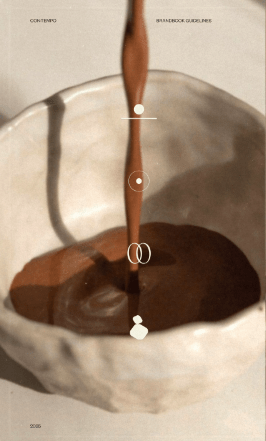
Try our specialty coffee in the Salamanca neighborhood
FAQs
What is specialty coffee?
Specialty coffee is high-quality coffee that is grown under special conditions, roasted with care, and served in a way that highlights its unique flavors and distinctive characteristics.
What is the difference between specialty coffee and commercial coffee?
The main difference lies in the quality and production process. Specialty coffee is grown in ideal conditions, artisanally roasted, and served fresh to enhance its flavors, while commercial coffee is often mass-produced and may lack nuance and quality.
Where can I buy specialty coffee in Spain?
There are several online stores and physical stores in Spain that offer specialty coffee from different regions of the world. You can also find specialized coffee shops that sell high-quality coffee beans.
What are the most prominent specialty coffee producing regions?
Some of the most notable specialty coffee producing regions include Ethiopia, Colombia, Costa Rica, Kenya, and Guatemala. Each region offers unique flavor profiles appreciated by coffee lovers.
What factors should I take into account when buying specialty coffee from Spain?
When purchasing specialty coffee from Spain, it is important to consider the freshness of the beans, the region of origin, the desired flavor profile, the preparation method, and personal preferences for intensity and aromatic notes.