
Decoding the Myth: When Healthy Isn't So Healthy
In the constant search for a healthier lifestyle, we often encounter a paradox: foods and habits that popular culture or advertising sell to us as healthy, but when we examine the fine print, they turn out to be anything but. The food industry has perfected the art of marketing, using labels like “natural,” “light,” “low-fat,” or “whole-grain” to disguise products that may be loaded with added sugars, sodium, trans fats, or artificial additives. This confusion can sabotage our efforts to eat better and maintain a healthy weight, as we consume large amounts of these "false friends" without being aware of their real impact. It is essential to develop a critical perspective and educate ourselves about what really makes up our food. Not everything that glitters is gold, and not everything that looks healthy is. This article will delve into five of these foods that have managed to sneak into the collective perception as “good” options, but that in reality hide a less beneficial side for our health. Get ready to demystify some of your food choices and discover the truth behind them.
The Food Marketing Trap
The food industry invests billions in marketing campaigns designed to influence our perceptions and purchasing decisions. They use a combination of science, psychology and creativity to present their products in the most attractive and "healthy" way possible. This includes the strategic use of colors, images of nature or athletic people, and carefully selected language that evokes well-being and purity. Terms like “source of fiber,” “with added vitamins,” or “gluten-free” have become powerful selling tools, even when the underlying product may not be as nutritious as it suggests.
Why Are We Deceived So Easily?
Our predisposition to believe advertising, lack of time to read complex nutritional labels and the overload of contradictory information contribute to us easily falling into these traps. Plus, we often look for quick, convenient solutions that fit into our fast-paced lives, and brands know this. They offer us the promise of a healthier life without much effort, which is incredibly attractive. However, true health lies in information, moderation, and consciously choosing whole, minimally processed foods. It's time to look beyond the packaging and understand what we are really putting in our bodies.
1. Low Fat or “Light” Yogurts: A Sweet Deception
"Light" or "low-fat" yogurts are a pillar in many weight loss diets and healthy eating plans. The logic seems simple: if we eliminate fat, we reduce calories and make the product healthier. However, this is one of the most common and deceptive traps in the food industry. When the fat is removed from a dairy product like yogurt, it loses much of its flavor and creamy texture. To compensate for this loss and make the product palatable to the consumer, manufacturers turn to an ingredient that, far from being excessively healthy, is one of the main culprits of many modern health problems: sugar.
Disguised Sugar in Skim Yogurts
What we often find in low-fat yogurts is a surprising amount of added sugars, artificial sweeteners or high fructose syrups. These sugars not only add up to empty calories, but they can also trigger insulin spikes, contribute to weight gain, increase the risk of type 2 diabetes and heart disease, and promote inflammation in the body. A single container of flavored "light" yogurt can easily contain the equivalent of several teaspoons of sugar, far exceeding the recommended daily intake of added sugars by health organizations. It is crucial to check the list of ingredients and the nutritional table: look for the amount of sugars and keep in mind that sugars can be presented under different names such as sucrose, fructose, corn syrup, dextrose, etc.
The Importance of Healthy Fats in Dairy
Paradoxically, the natural fat present in full-fat yogurt is not the enemy we have been led to believe. Dairy fats contain fat-soluble vitamins (A, D, E, K) and beneficial fatty acids that contribute to satiety, nutrient absorption, and hormonal health. Consuming healthy fats in moderation is essential. A natural yogurt without added sugar, even if it is whole, can be a much more nutritious option than its "light" counterpart loaded with sugars. The key is to choose natural yogurt, without additives, and if you want to sweeten it, do it with fresh fruits, a touch of honey or natural sweeteners such as stevia, in controlled quantities. The perception that everything low-fat is automatically better has led to overconsumption of products with hidden sugars, negating the supposed benefits of fat reduction.
2. Cereal and Granola Bars: A Cheating Breakfast and Snack

Cereal bars and granola have firmly positioned themselves as “healthy” breakfast and snack options, ideal for on-the-go and quick to consume. The image they project is one of natural energy, fiber and whole grains, perfect for starting the day or replenishing your strength. However, the nutritional reality of many of these bars and granolas is far from that idyllic image. Although they often contain some grains and fiber, they are often packed with less desirable ingredients that can sabotage our health goals.
Sugar and Syrups Galore
The main problem with many commercial cereal bars and granolas is their high sugar content. To make them appetizing and achieve that crunchy, agglomerated texture that we like so much, manufacturers add large amounts of sweeteners. This can include refined sugar, high fructose corn syrup, molasses, honey (which, although natural, is still excess sugar), and other syrups. Some bars can contain as much sugar as a candy, and a serving of granola can easily exceed the sugar content of a soda. This excess sugar contributes to blood glucose spikes, weight gain, and other metabolic problems.
Unhealthy Fats and Additives
In addition to sugar, many bars and granolas contain added fats that are not always the healthiest, such as hydrogenated or partially hydrogenated vegetable oils, which are sources of trans fats. These trans fats are harmful to cardiovascular health and should be avoided. It is also common to find additives such as artificial colors, flavorings and preservatives that, although approved for consumption, do not provide any nutritional value and can be problematic for some people. Some bars even have chocolate coatings or glazes that further increase their calorie and sugar profile.
Smarter Alternatives for Snacks and Breakfasts
To enjoy the benefits of whole grains and fiber without falling into the trap of sugar and unhealthy fats, it is essential to choose wisely. Opt for plain rolled oats (not flavored instant), to which you can add fresh fruits, nuts and seeds for a nutritious breakfast. If you are looking for a bar, look for ones with the fewest ingredients, no (or minimal) added sugar, and a high fiber and protein content. Ideally, make your own bars or homemade granola, where you have full control over the ingredients. You can use oats, nuts, seeds, a small amount of honey or maple syrup, and spices like cinnamon to add flavor without going overboard on sugar. A handful of nuts and seeds, a piece of fruit or natural yogurt with fruit are much healthier and more satisfying alternatives for a snack.
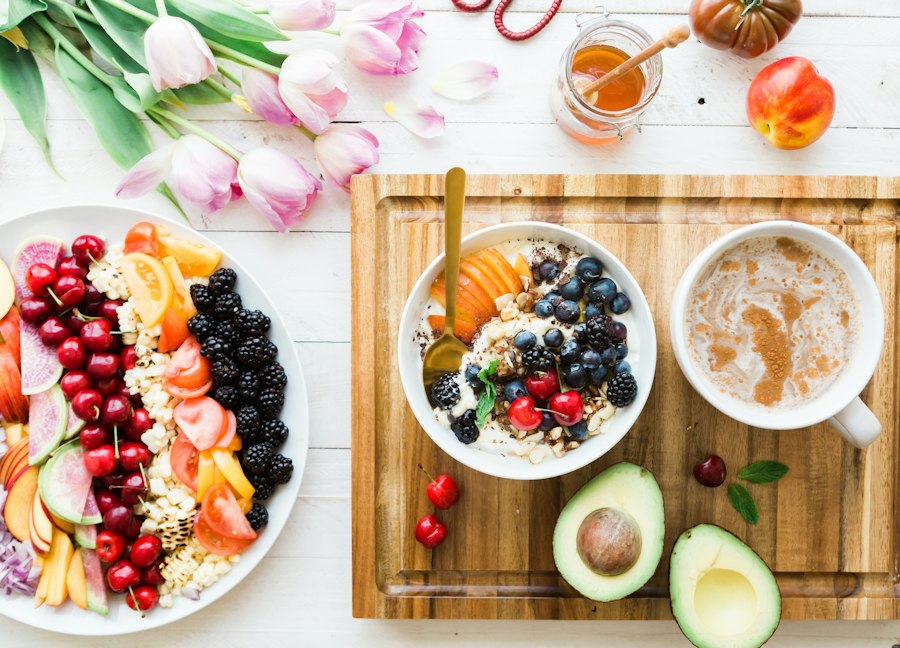
He healthy breakfast It is a great way to start the day with energy. Many people enjoy a healthy breakfast on weekends. A healthy breakfast can include fruits, whole grains, and protein.
3. Packaged Fruit Juices: Vitamins or Liquid Sugar?
The image of a packaged fruit juice evokes freshness, vitality and an instant supply of vitamins. We have been instilled with the idea that a glass of juice is equivalent to eating whole fruit, and it is even included in the daily recommendations for fruit and vegetable intake. However, packaged fruit juices, even those labeled “100% natural” or “no added sugar,” can be one of the most misleading beverages when it comes to health. Its regular consumption can have harmful effects that often go unnoticed.
The Crucial Difference Between Whole Fruit and Juice
The main difference between eating a whole fruit and drinking its juice lies in the fiber. The dietary fiber present in whole fruit is essential for several reasons: it slows down the absorption of sugars (fructose) from the fruit, which prevents sudden spikes in blood glucose; contributes to satiety, helping to control appetite; and benefits digestive health. When fruit is squeezed to make juice, most of this fiber is discarded. The result is a drink that, although it contains vitamins and minerals, is essentially water with a high concentration of sugars.
Sugar Concentration and Absence of Satiety
A glass of orange juice, for example, may require the juice of several oranges. Consuming these whole oranges would take time, the fiber would satisfy us and the sugar would be released slowly. However, when drinking the juice, we quickly ingest the same amount of sugar (or more, if the juice has added sugars) without the fiber or feeling of fullness. This leads to a rapid rise in blood sugar and, as a consequence, increased insulin production. Frequent consumption of packaged fruit juices has been associated with an increased risk of weight gain, insulin resistance, and type 2 diabetes, similar to consumption of sugary soft drinks. Even “100% natural” juices can be problematic, since concentrated fructose in liquid form is not processed by the body in the same way as when consumed in whole fruit.
Choosing the Right Hydration and Nutrition
To get the benefits of fruit without the drawbacks of juice, the best option is to consume the whole fruit. If you really want juice, opt to squeeze it yourself at home and drink it in moderation, considering it more of a treat than a regular drink. Mix the freshly squeezed juice with water to dilute the sugar content or incorporate it into smoothies where you also include the pulp and other fibrous ingredients such as spinach or chia seeds. Pure water remains the best option for hydration, and whole fruits are the ideal source of vitamins, minerals and fiber. Avoid falling into the trap of thinking that a glass of packaged juice is a healthy shortcut; It is often a direct path to excessive sugar consumption.
4. Supermarket Whole Wheat Bread: The Deceptive Appearance of “Healthy”
| Food | Common perception | Nutritional reality | Reason it may not be healthy |
|---|---|---|---|
| Granola | Very healthy and energetic | High in sugar and calories | Contains added sugars and saturated fats |
| Natural juices | Source of vitamins and healthy | High sugar content and low fiber | Eliminates fiber and concentrates sugars |
| energy bars | Healthy and nutritious snack | Rich in sugars and processed fats | Contain processed ingredients and added sugars |
| Yogurt with fruits | Healthy and low calorie food | May contain added sugars and flavorings | Added sugars and artificial additives |
| Pan integral | Healthier than white bread | May contain refined flours and sugars | It is not always 100% wholemeal, it contains additives |
Whole wheat bread has long been the standard of healthy eating, recommended by nutritionists and dietitians for its fiber content and lower glycemic index compared to white bread. However, as with many other products, the industry has been able to capitalize on this trend, and not everything labeled "whole wheat bread" in supermarkets is as healthy as it seems. It is crucial to learn to differentiate between real whole wheat bread and a well-disguised imitation.
The Difference between “Integral” and “Multicereal” or “with Cereals”
The first deception lies in the terminology. A truly whole grain bread should be made with whole grain flour (whole wheat, whole rye, etc.), meaning it retains all three parts of the grain: the bran (rich in fiber and nutrients), the germ (rich in vitamins and healthy fats), and the endosperm (starch). Many breads in the supermarket are labeled “multigrain,” “grain,” or “wheat,” which often implies that they are made primarily with refined white flour to which a small amount of whole grains or bran has been added. To give them a "whole" appearance, molasses or caramel is sometimes added to darken the color, making the consumer believe that it is a healthier bread. A true whole wheat bread has a denser texture, a uniform color, and a clear ingredient list.
Added Sugars, Fats and Additives
In addition to the flour issue, many commercial "whole-grain" breads contain significant amounts of added sugars (corn syrup, sugar, molasses), refined vegetable oils (often low quality), excess salt, and a number of additives to improve texture, extend shelf life, and facilitate mass production. These additional ingredients can negate the benefits of the fiber and nutrients present in the little whole grain that the bread may contain. A bread that should be a basic and simple food becomes an ultra-processed product with a questionable nutritional profile. The regular consumption of these breads can contribute to the excessive intake of sugars, sodium and unhealthy fats, far from the image of a beneficial food that they project.
How to Choose a Real Healthy Whole Wheat Bread
To ensure you are purchasing a truly whole grain and healthy bread, it is essential to read the ingredients label carefully. Look for the first ingredient to be “whole wheat flour” or “whole grain flour” (and not just “wheat flour” which is usually refined). Ideally, the ingredients list should be short and recognizable, without a long list of sugars under different names, hydrogenated oils or artificial additives. Some artisanal bakeries and specialized brands offer sourdough breads with 100% whole wheat flour and few ingredients, which are the best options. Consider bread as a complement and not the center of your meal. The key is the quality of the ingredients and minimal processing. Good whole wheat bread can be an excellent source of fiber and nutrients, but choosing the wrong bread can be a very common nutritional deception.
5. Commercial Salad Dressings: The Hidden Fat and Sugar
Salads are universally considered the epitome of a healthy meal, a fundamental foundation for any balanced diet. Full of fresh vegetables, fiber, vitamins and minerals, they are an excellent choice. However, the timing of dressing can quickly turn a virtuous dish into a caloric and nutritional trap, especially when you resort to commercial salad dressings. What seems like a simple touch to enhance flavor is often a cocktail of unhealthy ingredients that can completely sabotage the benefits of the salad.
The Misleading Nutritional Profile
Commercial dressings, especially creamy ones like ranch, Caesar, or blue cheese, tend to be extremely dense in calories, fat (often saturated or trans), and sodium. A single serving, which we often underestimate, can add up to hundreds of calories and gram after gram of fat, far exceeding what you would expect from a "dressing." But the problem is not limited to creamy dressings; Even those that seem lighter, like vinaigrettes, can hide a dark side.
Disguised Sugar and Refined Oils
One of the most common and problematic ingredients in many commercial salad dressings is sugar. It is added in various forms (high fructose corn syrup, sugar, molasses, fruit concentrates) to balance acidity, improve flavor and texture. A dressing that we think is healthy may contain as much or more sugar per serving than a cookie. Additionally, most of these dressings use low-quality refined vegetable oils, such as soybean, corn, or sunflower oil, which are rich in omega-6 fatty acids. While omega-6s are essential, an excess in the diet relative to omega-3s can promote inflammation in the body. Preservatives, artificial colors and flavorings are also common to extend shelf life and standardize flavor.
The Best Option: Homemade and Simple Dressings
The good news is that creating a healthy dressing at home is incredibly simple and quick. The base of a classic and healthy vinaigrette is good quality extra virgin olive oil, vinegar (balsamic, apple, wine), and a touch of salt and pepper. From there, the possibilities are endless: you can add Dijon mustard, fresh herbs (parsley, oregano, basil), minced garlic, lemon juice, a little honey or maple syrup if you like a sweet touch (in a very small amount), or even a little natural yogurt for a creamy and light version. By making your own dressing, you have complete control over the ingredients, choosing healthy oils and avoiding added sugars, excessive sodium, and additives. In this way, your salad retains its status as a truly nutritious and healthy dish. The next time you think about purchasing a dressing, take a moment to check the label or, better yet, make it yourself.
Conclusion: Awaken Food Consciousness
We've explored five foods and product categories that, despite their healthy reputation, often hide added sugars, unhealthy fats, excess sodium, and additives that can undermine our efforts to maintain a nutritious diet. From "light" yogurts loaded with sugar, to bars and granolas that are rather sweet, juices that lack essential fiber, "whole-grain" bread that is not so much, to salad dressings that turn a healthy dish into a calorie bomb; The food industry has perfected the art of disguising products to make them appeal to our desire to eat well.
The main message is clear: food education and critical reading of nutritional labels are essential tools in today's world. We cannot blindly trust marketing campaigns or what popular perception tells us about a food. It is essential to look beyond the packaging and understand the actual ingredients that make up what we consume.
By opting for whole, minimally processed foods, cooking more at home, and paying attention to the origin and composition of our food, we can make more informed and healthier decisions. Be wary of labels with exaggerated “health” claims, products with overly long ingredient lists, and those that promise miraculous results. True health lies in simplicity, moderation and consciously choosing foods that nourish our body without tricks or deception. Adopting this critical approach will empower us to build a healthier, more sustainable lifestyle, free from the pitfalls of false healthy food.

Healthy all day brunch
FAQs
Is granola a healthy option?
Although granola is often considered a health food due to its fiber and nut content, many commercial varieties contain high levels of added sugar and fat. It is important to read nutritional labels and opt for granolas low in sugar and saturated fat.
Are cereal bars a healthy snack?
Cereal bars may be convenient as a snack, but many of them contain high levels of sugar, high fructose corn syrup, and other unhealthy ingredients. It is advisable to look for options with natural ingredients and low in sugar.
Are sports drinks really beneficial for your health?
Despite their popularity, sports drinks often contain high levels of sugar and calories, which can offset the hydration and electrolyte benefits. In most cases, water is still the best option for staying hydrated during physical activity.
Are restaurant salads always a healthy option?
Although salads are often considered a healthy option, restaurant versions are often loaded with high-calorie dressings, fatty cheeses, and croutons. It is important to choose salads with fresh ingredients, lean proteins and low-fat dressings.
Are breakfast cereal bars a good option to start the day?
Breakfast cereal bars may be convenient, but many of them contain high levels of sugar and few essential nutrients. It is better to opt for a balanced breakfast that includes protein, healthy fats and fiber, such as scrambled eggs with avocado and fresh fruits.